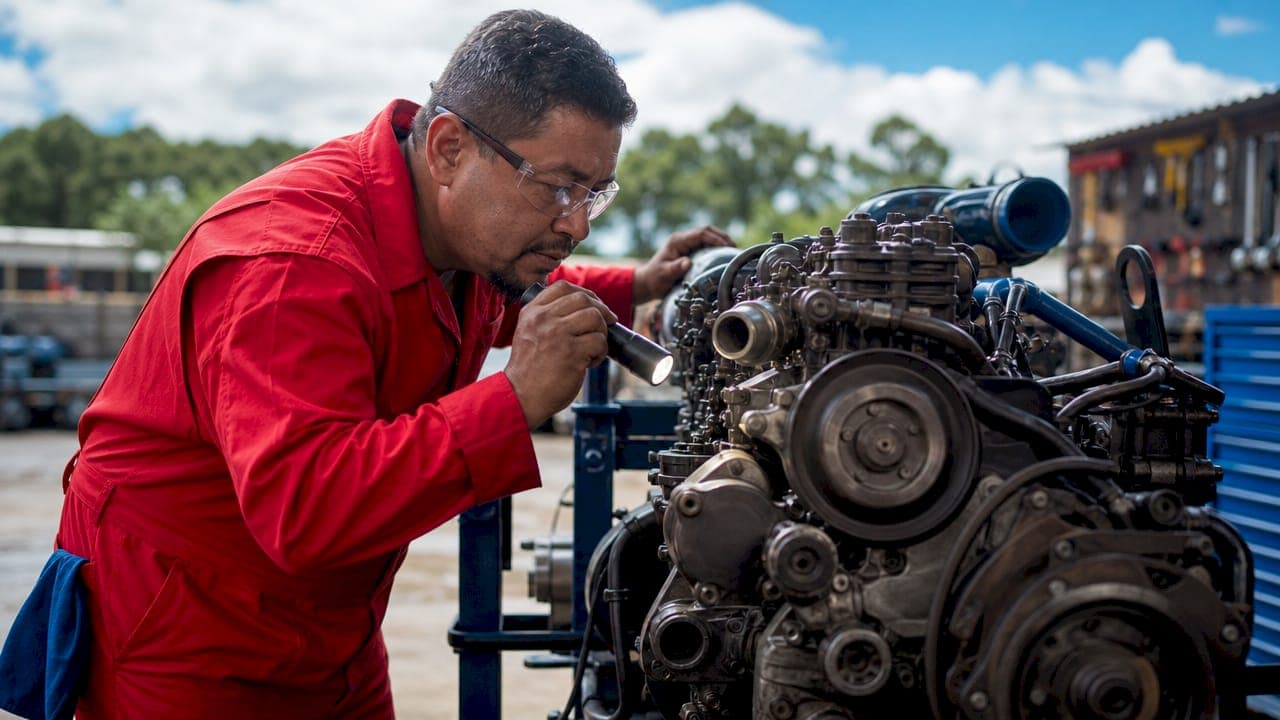
Remanufactured truck engines are defined as diesel and gasoline powerplants fully disassembled, machined, and rebuilt to original equipment manufacturer (OEM) specifications, often with engineering corrections that address known factory weaknesses. Common examples of remanufactured truck engines include the Ford 5.0L V8, Chevy 6.6L Duramax, GM 6.0L LQ4 LS, and Ford 6.7L Powerstroke, all restored to factory-level tolerances and backed by warranties covering 3 years or 100,000 miles. For fleet managers, independent truck owners, and mechanics, these engines deliver a cost-effective middle ground between expensive new units and unreliable used alternatives. Nationwideheavytruckparts stocks a daily-changing inventory of tested, warranted remanufactured commercial truck engines ready for same-day shipping.
1. What are the most common examples of remanufactured truck engines?
The most widely available remanufactured engine examples span both gasoline and diesel applications, covering light-duty pickups through Class 8 commercial trucks. Each model below represents a high-demand engine type rebuilt to OEM or better specifications.
- Ford 5.0L V8 (2011–2013): A gasoline V8 common in F-150 platforms. Remanufactured units address known timing chain wear issues from the original production run.
- Chevy 6.6L Duramax (2001–2004): A diesel workhorse for heavy hauling and towing. Remanufactured versions correct early injector and head gasket vulnerabilities.
- GM 6.0L LQ4 LS (2001–2007): A high-output gasoline engine used in Silverado HD and Express van platforms. Remanufactured units restore valve seal and piston ring integrity.
- Ford 6.7L Powerstroke (2020–2024): The current-generation diesel in Super Duty trucks. Remanufactured versions are increasingly available as early units age out of warranty.
- RAM 3.0L EcoDiesel (2014–2019): A light-duty diesel popular for fuel economy in Ram 1500 and Jeep Grand Cherokee applications. Remanufactured units address EGR and oil cooler failure patterns.
- Detroit Diesel DD15 and Series 60: Heavy-duty commercial engines found in Class 8 long-haul trucks. Remanufactured Detroit diesel engines are a top choice for fleet replacement programs.
- Cummins ISX and ISX15: The dominant diesel in North American Class 8 trucking. Remanufactured Cummins engines restore EGR cooler, turbocharger, and fuel system components to spec.
- Caterpillar C15 and C13: Legacy diesels still running millions of miles in vocational and long-haul fleets. Remanufactured CAT C15 engines are prized for their durability after restoration.
- Paccar MX-13: The proprietary engine in Kenworth and Peterbilt trucks. Remanufactured Paccar MX-13 units are available for fleets needing brand-specific replacements.
- Mack MP8 and E7: Core engines in Mack vocational and highway trucks. Remanufactured Mack truck engines are built to handle the same duty cycles as the originals.
Pro Tip: When selecting an engine size for fleet use, match displacement and torque rating to your actual payload and duty cycle. Oversizing costs more upfront and undersizing accelerates wear.
2. How does the remanufacturing process ensure reliability?

Remanufacturing is a standardized industrial process, not a shop-floor repair job. The distinction matters because remanufactured engines restore to OEM specs through full disassembly, precision machining, and replacement of every wear component, while a rebuilt engine only addresses visible damage.
The process follows a defined sequence:
- Full disassembly: Every component is removed, cleaned, and cataloged.
- Dimensional inspection: Blocks, heads, and crankshafts are measured against OEM tolerances using precision gauges.
- Machining: Cylinder bores are honed, crankshaft journals are ground, and deck surfaces are resurfaced.
- Parts replacement: All wear items, including rings, bearings, seals, gaskets, and timing components, are replaced with new parts.
- Engineering corrections: Known factory design flaws are corrected during reassembly, which means remanufactured engines often outperform the original factory unit.
- Dyno testing: Completed engines run on a dynamometer to verify power output, oil pressure, and leak-free operation before shipping.
"Remanufactured engines frequently exceed original factory performance because the process incorporates engineering improvements that the original design lacked."
This level of process control is why remanufactured engines carry longer warranties than rebuilt units. A rebuilt engine may fix the symptom. A remanufactured engine fixes the cause.
Pro Tip: Always ask a supplier whether the core was inspected for heat damage and micro-cracks before remanufacturing. Core screening quality directly determines the final engine's reliability.
3. Benefits and drawbacks of remanufactured truck engines
Remanufactured engines deliver clear advantages for fleet managers and independent truck owners, but they are not the right choice in every situation. Understanding both sides leads to better purchasing decisions.
Key benefits:
- Cost savings over new: Remanufactured engines typically cost significantly less than a new factory unit while delivering equivalent or better performance.
- Warranty protection: Industry-standard coverage runs from 3 years unlimited miles to 3 years/100,000 miles, covering both parts and labor.
- Lower total cost of ownership: Fewer breakdowns and predictable quality mean lower downtime costs over the engine's life cycle.
- Sustainability: Remanufacturing reuses the core block and major castings, reducing raw material consumption compared to building a new engine from scratch.
- Engineering improvements: Factory-known failure points are corrected during the remanufacturing process.
Potential drawbacks:
- Higher upfront cost than a used engine with unknown history.
- Availability is strongest for high-volume engine families. Rare or specialty engines may have limited remanufactured supply.
- Core return requirements: most suppliers require you to return your old engine as a core exchange, which adds a logistical step.
- Break-in procedures must be followed. Skipping the break-in period risks premature wear on new rings and bearings.
Pro Tip: Before purchasing, verify that the supplier's warranty covers labor, not just parts. A parts-only warranty on a heavy-duty engine installation can still cost thousands in shop time.
4. How remanufactured truck engines vary across brands and models
Not all remanufactured engines serve the same purpose. Engine selection depends on displacement, fuel type, application, and duty cycle. The table below shows how common remanufactured engine categories differ in key characteristics.
| Engine category | Fuel type | Typical application | Displacement range | Warranty standard |
|---|---|---|---|---|
| Light-duty gasoline V8 | Gasoline | Pickup trucks, vans | 5.0L–6.2L | 3 yr / 100,000 mi |
| Light-duty diesel | Diesel | Half-ton pickups, SUVs | 3.0L–3.5L | 3 yr / 100,000 mi |
| Medium-duty diesel | Diesel | Work trucks, box trucks | 6.6L–7.3L | 3 yr unlimited mi |
| Heavy-duty inline-6 diesel | Diesel | Class 7–8 commercial trucks | 12.7L–15.0L | 3 yr unlimited mi |
| Vocational diesel | Diesel | Dump trucks, mixers, refuse | 11.0L–13.0L | 3 yr unlimited mi |
Detroit Diesel Series 60 and DD15 engines dominate long-haul replacement programs. Cummins ISX and ISX15 units are the standard choice for owner-operators running high annual mileage. Caterpillar C15 and C13 engines remain popular in vocational fleets because of their reputation for durability after remanufacturing. International diesel engines cover a wide range of medium and heavy-duty applications and are widely available in remanufactured form.
The right engine is the one matched to your specific truck platform and duty cycle, not simply the most powerful option available.
5. What factors should fleet managers consider when selecting a remanufactured engine?
Engine selection for a fleet replacement is an operational decision, not just a parts purchase. The wrong choice costs more in downtime and maintenance than the initial savings justify.
- Match the engine to the duty cycle. A long-haul engine running 150,000 miles per year needs a different specification than a regional delivery truck running 60,000 miles per year.
- Verify warranty terms in writing. Confirm coverage period, mileage limits, and whether labor is included. A 3-year unlimited-mile warranty with labor coverage is the industry benchmark.
- Confirm core exchange requirements. Most remanufacturers require a rebuildable core. Know the condition requirements before you commit to a purchase.
- Follow the break-in procedure. Varying engine loads in the first 500–1,000 miles and avoiding prolonged idling allows new rings and bearings to seat correctly. Skipping this step shortens engine life.
- Evaluate supplier testing standards. Ask whether engines are dyno-tested before shipping. A supplier who cannot confirm dyno testing is a risk.
- Check inventory availability. Suppliers with daily-changing inventory, like Nationwideheavytruckparts, reduce lead time and keep fleets moving.
Pro Tip: Work with a supplier who offers same-day shipping and a verified inspection process. Downtime on a commercial truck costs far more per day than the price difference between a tested and an untested engine.
Key takeaways
Remanufactured truck engines deliver OEM-level reliability, engineering-corrected performance, and warranty protection that used or rebuilt engines cannot match, making them the best long-term value for fleet replacements.
| Point | Details |
|---|---|
| Remanufactured vs. rebuilt | Remanufactured restores to OEM specs; rebuilt only fixes visible damage. |
| Warranty standard | Industry benchmark is 3 years or 100,000 miles, covering parts and labor. |
| Core quality matters | Suppliers must screen cores for heat damage before remanufacturing begins. |
| Break-in is required | Vary load in the first 500–1,000 miles to seat rings and bearings properly. |
| Supplier selection | Choose suppliers with dyno testing, daily inventory, and same-day shipping. |
What I've learned about remanufactured engines after years in the field
The biggest mistake fleet managers make is treating a remanufactured engine purchase like a commodity buy. They compare price, pick the lowest number, and skip the questions that actually matter: Was the core screened? Was the engine dyno-tested? Does the warranty cover labor?
I've seen fleets save $2,000 on an engine purchase and then spend $8,000 in shop labor and downtime six months later because the supplier cut corners on core inspection. The remanufacturing label means nothing without the process behind it.
The engines that consistently perform in commercial fleets are the ones where the remanufacturer corrected the factory's known weak points. A Cummins ISX that had its EGR cooler design updated during remanufacturing will outlast a stock replacement every time. That engineering correction is the real value of a quality remanufactured engine, not just the fact that it has new rings.
My advice: spend 10 minutes asking your supplier the right questions before you spend thousands on an engine. The answers tell you everything about whether that warranty will actually hold up.
— Carl
Nationwideheavytruckparts: remanufactured engines ready to ship
Fleet managers and independent truck owners need engines that are tested, warranted, and available now. Nationwideheavytruckparts carries a wide selection of commercial truck engines for sale across all major platforms, from Cummins and Detroit Diesel to Caterpillar and Paccar. Every engine is inspected and backed by a standard warranty before it ships.
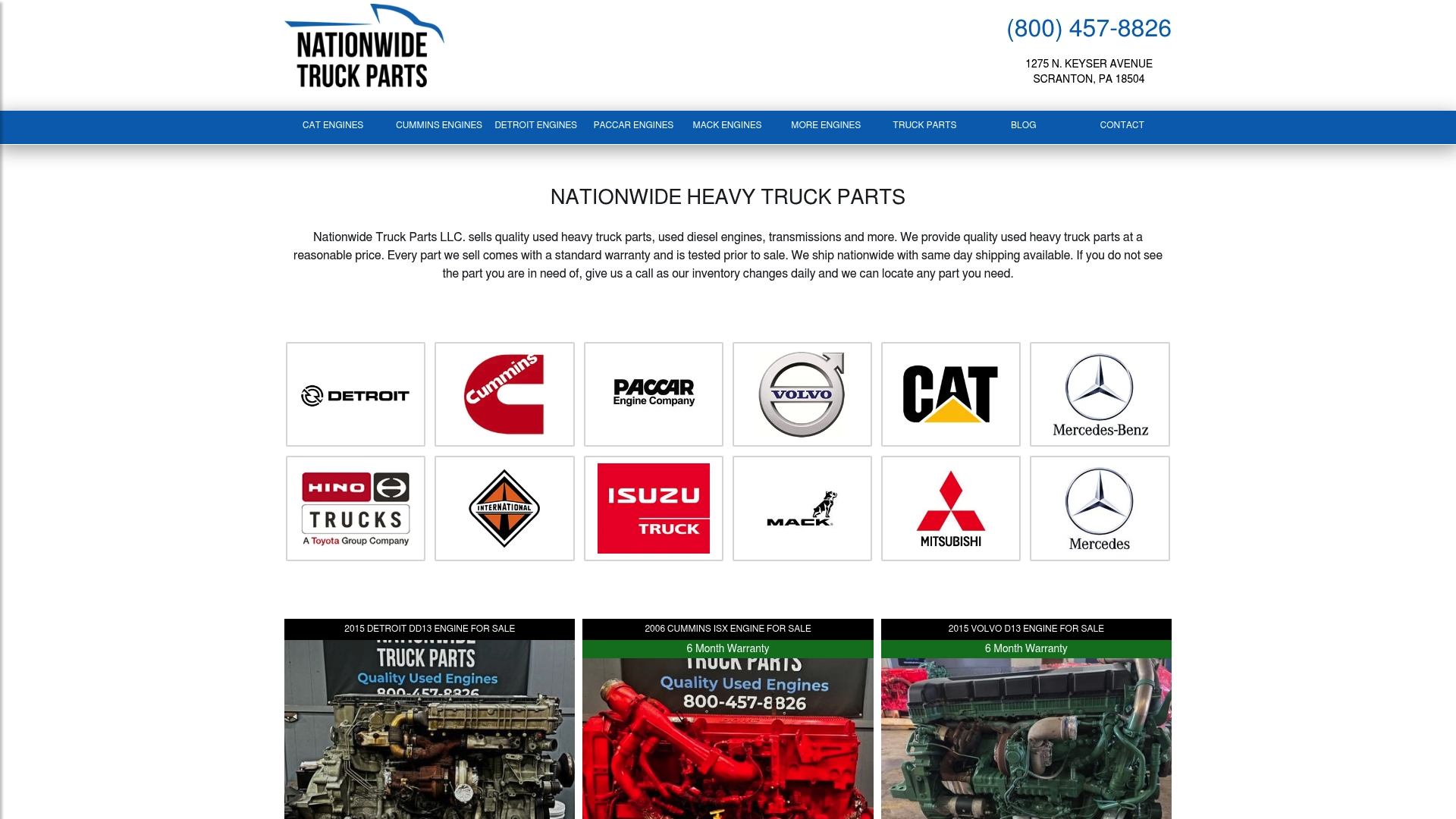
Inventory changes daily, so the engine you need is likely in stock. Nationwideheavytruckparts offers same-day shipping to keep your trucks on the road and your fleet productive. Whether you need a Caterpillar diesel engine for a vocational truck or a Cummins unit for a long-haul rig, the team is ready to match you with the right engine at a competitive price.
FAQ
What is the difference between remanufactured and rebuilt truck engines?
A remanufactured engine restores to OEM specs through full disassembly and replacement of all wear components, while a rebuilt engine only repairs visible damage. Remanufactured engines carry stronger warranties and deliver more consistent long-term reliability.
What are common examples of remanufactured truck engines?
Common examples include the Ford 6.7L Powerstroke, Chevy 6.6L Duramax, Cummins ISX15, Detroit Diesel DD15, and Caterpillar C15. These engines cover light-duty pickups through Class 8 commercial trucks.
How long do remanufactured truck engines last?
A properly installed and broken-in remanufactured engine can match or exceed the original engine's service life. Following the 500–1,000 mile break-in procedure is critical to achieving full longevity.
Are remanufactured engines worth the cost compared to used engines?
Remanufactured engines cost more upfront than used engines, but their warranty coverage and predictable quality result in lower total cost of ownership. Fewer unplanned breakdowns mean less downtime and lower repair costs over time.
What warranty should I expect on a remanufactured truck engine?
The industry standard is 3 years unlimited miles or 3 years/100,000 miles, with coverage for both parts and labor. Always confirm labor coverage in writing before purchasing.