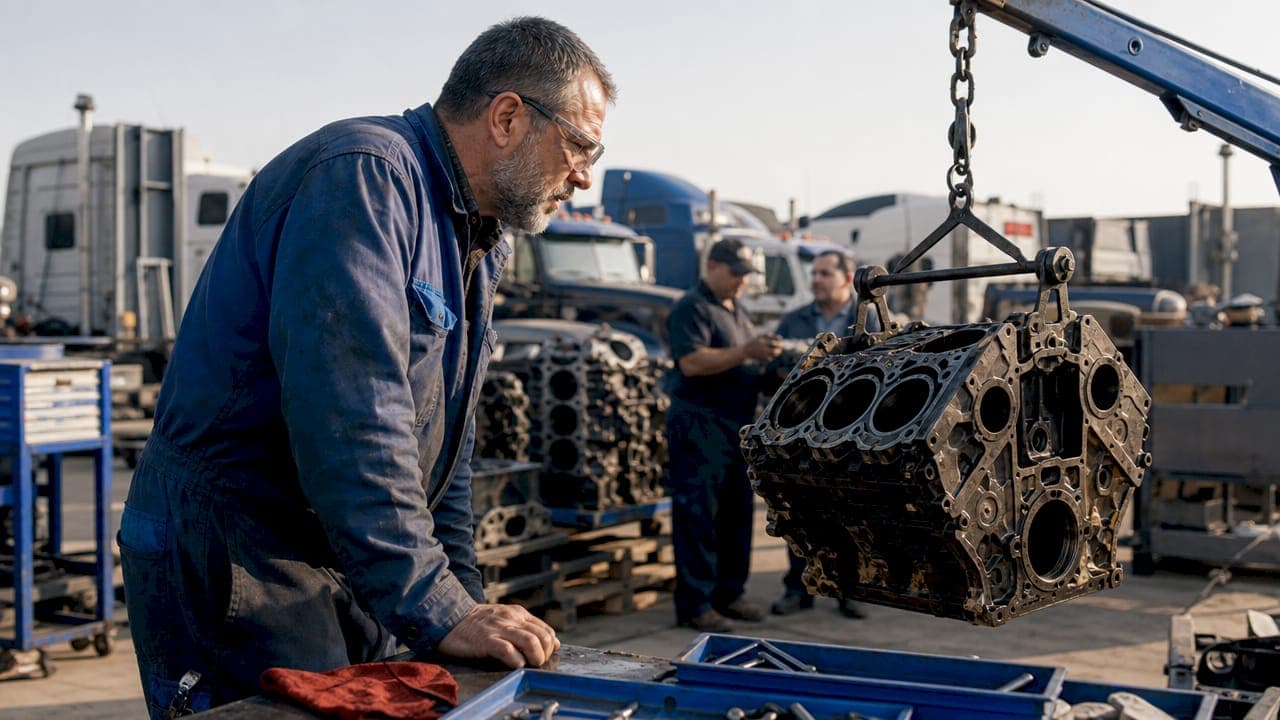
Replacing a semi truck engine quickly is defined as completing the full swap within 1–3 days using a remanufactured or crate engine, compared to 14–28 days for a full out-of-frame overhaul. Every day a truck sits idle costs a fleet operator real money in lost loads and missed contracts. The fastest path back to the road is choosing the right engine type before the truck even enters the shop. Remanufactured units from suppliers like Diesel Services of America and crate engines from performance builders have made same-week returns to service a realistic target for most Class 8 trucks.
What are the fastest engine replacement methods?
The four main options for a fast semi truck engine swap are remanufactured engines, crate engines, used engine swaps, and in-frame rebuilds. Each carries a different downtime window and cost profile.
Remanufactured engines are the gold standard for speed and reliability. Installation takes 1–3 days, and remanufactured units typically carry a 2–3 year warranty. Pricing runs $25,000–$35,000, which is significantly below the $40,000–$50,000+ cost of a new engine. That price gap makes remanufactured units the default choice for most fleet operators who need reliability without the new-engine invoice.
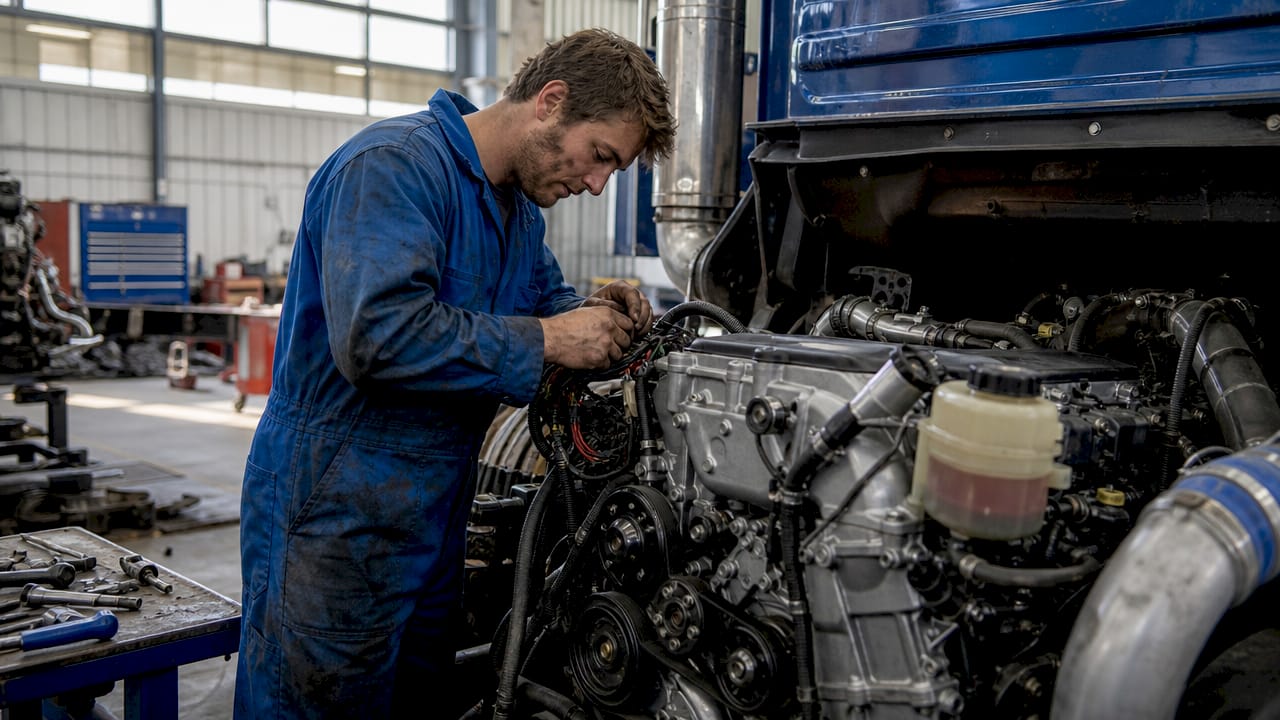
Crate engines (also called turn-key engines) come pre-assembled with all external accessories and timing already set. A complete crate engine saves 15–20 hours of shop labor compared to a long-block install that requires component swaps. That labor savings alone can cut a two-day job down to a single shift.
Used engine swaps cost $10,000–$20,000 for the engine plus $4,000–$7,000 in labor, with downtime typically running 3–7 days. They offer a budget-conscious middle ground, but warranty coverage is limited and condition varies widely by source.
In-frame rebuilds take 3–7 days minimum and out-of-frame overhauls stretch to 14–28 days. Neither qualifies as a quick engine replacement for trucks facing urgent deadlines.
| Method | Downtime | Estimated Cost | Warranty |
|---|---|---|---|
| Remanufactured engine | 1–3 days | $25,000–$35,000 | 2–3 years |
| Crate (turn-key) engine | 1–3 days | Varies by brand | 1–3 years |
| Used engine swap | 3–7 days | $14,000–$27,000 total | Limited |
| In-frame rebuild | 3–7 days | Lower upfront | 1 year or less |
| Out-of-frame overhaul | 14–28 days | Varies | Varies |
Pro Tip: Remanufactured and new engine installations deliver lifespans of 10,000–20,000+ operating hours, compared to 5,000–10,000 hours for rebuilt engines. Choose reman when the truck has years of service life ahead.
What tools and preparations are needed for a fast engine swap?
Preparation is the single biggest factor separating a one-day install from a three-day ordeal. Shops that pull an engine without verifying compatibility first routinely lose an entire day to sourcing missing parts or chasing wiring mismatches.
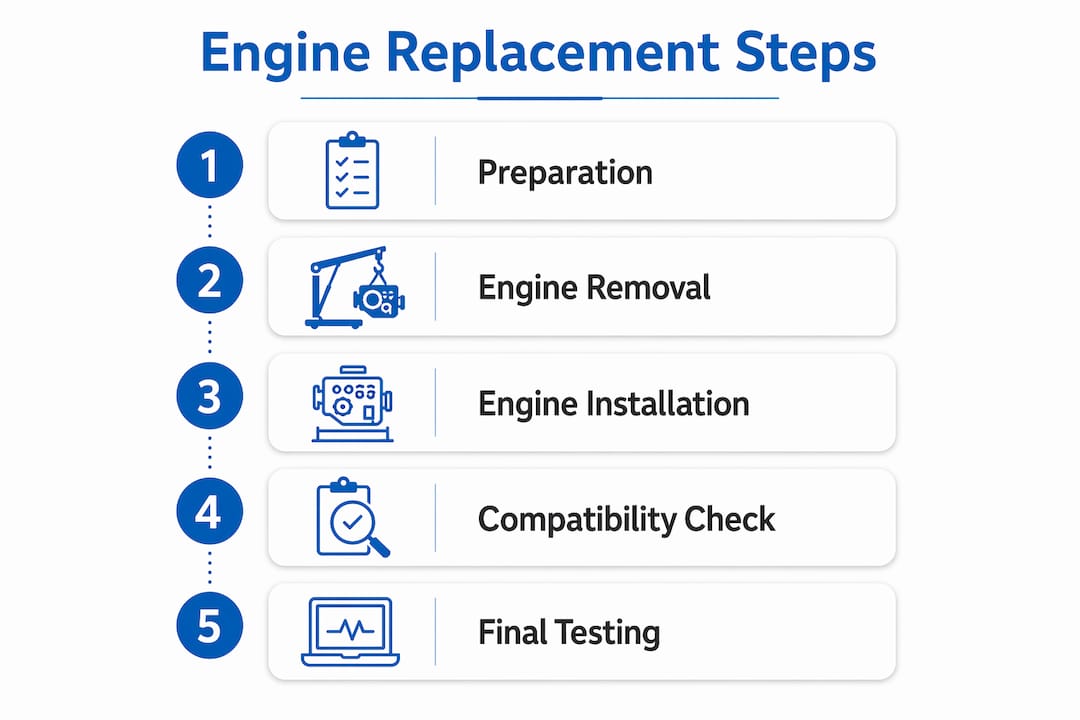
Verify compatibility before the engine arrives
Electronic differences within the same model family can require ECM tuning and wiring harness modifications. Confirm the replacement engine matches the truck's ECM calibration, transmission interface, and physical mount configuration before placing the order. For Detroit DD15, Paccar MX-13, or CAT C15 swaps, even minor model-year differences can create integration headaches.
Tools and equipment checklist
- Engine hoist rated for the engine weight (Class 8 diesel engines typically exceed 2,500 lbs)
- Torque wrenches calibrated to OEM specs
- Diagnostic scan tool compatible with the truck's ECM (Cummins Insite, Detroit Diesel Diagnostic Link, or equivalent)
- Coolant flush and fill equipment
- Oil priming tool to pre-lube the new engine before first start
- Lifting chains and spreader bar for safe engine removal
- Gasket scraper and thread cleaning tools for mating surfaces
Parts to have on hand before teardown begins
- New coolant hoses and clamps
- Fresh oil and filter (manufacturer-specified grade)
- New fuel filters (primary and secondary)
- Replacement belts and tensioners
- New exhaust gaskets and mounting hardware
Parts sourcing delays and ECM mismatches extend replacement time significantly when not pre-verified. Order every ancillary component alongside the engine, not after teardown reveals what is missing.
Pro Tip: Build buffer time into your shop schedule. Ancillary component availability and shop scheduling can push total downtime beyond the initial estimate even when the engine itself arrives on time.
How to replace a semi truck engine step by step
A clean, efficient installation follows a defined sequence. Skipping steps to save time almost always creates problems that cost more time to fix.
-
Drain all fluids. Remove engine oil, coolant, and fuel from the system. Dispose of fluids according to EPA regulations. Contaminated fuel or coolant entering a new engine causes premature wear.
-
Disconnect electrical systems. Label every connector before removal. Photograph the wiring harness routing. This step alone prevents hours of troubleshooting during reinstall.
-
Remove ancillary components. Pull the turbocharger, exhaust manifold, alternator, air compressor, and power steering pump. Inspect each for wear. Replace any component showing cracks or excessive play.
-
Lift out the old engine. Use a rated hoist and spreader bar. Confirm the transmission is supported independently before breaking the bell housing connection.
-
Prepare the engine bay. Clean all mating surfaces. Inspect motor mounts, cross-members, and exhaust alignment points. Replace worn mounts before dropping in the new engine.
-
Install the replacement engine. Lower it carefully onto the mounts. Torque all fasteners to OEM specification. Reconnect the wiring harness using your labeled photos as reference.
-
Reinstall ancillary components. Use new gaskets on the exhaust manifold and turbocharger. Reattach all accessories and verify belt tension.
-
Fill and prime. Add fresh oil and coolant. Use an oil priming tool to build pressure before the first crank. This protects bearings from a dry start.
-
Initial start and idle check. Start the engine and monitor oil pressure, coolant temperature, and any fault codes on the diagnostic tool. Let it reach operating temperature.
-
Load verification testing. Post-install testing of boost, fuel delivery, and cooling pressure is critical. An engine that idles cleanly can still fail under load without this step. Road-test the truck under a representative load before returning it to service.
"Engines may idle well but fail under load without proper post-installation checks. Skipping verification testing is the most common cause of repeat shop visits after an engine swap." — Red's Diesel Shop
Pro Tip: Document every torque value and connection point during installation. Proper documentation also protects your warranty coverage if a claim becomes necessary.
How to handle common challenges during an emergency engine change
Even well-planned swaps hit snags. Knowing the most common problems in advance cuts resolution time significantly.
Electronic integration issues are the top cause of unexpected delays. ECM tuning conflicts between the donor engine and the truck's existing control module can prevent the engine from running correctly. Confirm the ECM part number matches before installation, and have a diesel technician with programming access on site.
Mechanical fit problems show up at the exhaust manifold, motor mounts, and cross-member clearances. These are especially common when sourcing engines across model years. Measure critical clearances before the old engine comes out, not after the new one is in position.
Fuel and oil system contamination is a silent killer for new engines. Flush the fuel system completely if the previous engine failed due to internal damage. Metal particles from a spun bearing or cracked block can travel into the fuel lines and damage injectors.
Parts backorders are the hardest delays to control. Replacement decisions are most urgent when repair costs exceed 50% of post-repair truck value, which means operators are often ordering parts under pressure. Establish a relationship with a supplier that carries live inventory and ships same day. Nationwideheavytruckparts maintains a daily-changing inventory of tested diesel engines and ships same day, which directly addresses the backorder problem.
Warranty documentation requires a paper trail. Record the engine serial number, installation date, technician name, and all torque specs. Missing documentation is the most common reason warranty claims get denied.
Key takeaways
Choosing a remanufactured or crate engine is the fastest and most reliable path to getting a semi truck back in service, with installation times of 1–3 days when preparation is thorough.
| Point | Details |
|---|---|
| Fastest replacement method | Remanufactured and crate engines cut downtime to 1–3 days versus 14–28 for overhauls. |
| Pre-verify compatibility | Confirm ECM, wiring harness, and physical fit before the engine ships to avoid costly delays. |
| Crate engines save labor | Turn-key crate engines eliminate 15–20 hours of labor compared to long-block installs. |
| Load testing is non-negotiable | Always test under load after installation; idle performance does not confirm road readiness. |
| Document everything | Proper installation records protect warranty coverage and speed up any future claims. |
What I have learned from watching fleets get this wrong
The operators who get burned on engine replacements almost always make the same mistake. They focus entirely on price and ignore the total cost of downtime. A used engine at $12,000 sounds like a win until the truck is back in the shop two weeks later with an ECM conflict or a contaminated fuel system. At that point, the "savings" have evaporated and then some.
The total cost of ownership always exceeds the invoice price. Downtime and reliability affect long-term ROI far more than the initial purchase price. Fleets running over 150,000 miles per year cannot afford the gamble of a used engine with unknown history. Remanufactured units with documented rebuild specs and a real warranty are the only logical choice at that utilization rate.
The other mistake I see constantly is assuming plug-and-play compatibility. A Paccar MX-13 from a 2019 Kenworth does not automatically drop into a 2022 Peterbilt without verification. The wiring harness routing, ECM calibration, and even the exhaust outlet position can differ. Technicians who skip the compatibility check before teardown end up doing the research under pressure, with a disassembled truck on the lift.
My honest advice: spend the extra hour on pre-installation verification. Call the supplier, confirm the engine serial number against your truck's VIN, and have your diagnostic tool ready before the first bolt comes off. That one hour of preparation is worth more than any shortcut taken during the swap itself.
— Carl
Nationwideheavytruckparts: engines in stock and ready to ship
When a truck is down, the clock starts immediately. Nationwideheavytruckparts carries a broad inventory of tested and inspected diesel engines, including Detroit DD15 and Series 60, Mack MP8 and E7, CAT C15 and C13, and Paccar MX-13 and PX6 units. Every engine ships with a standard warranty and passes inspection before it leaves the warehouse.
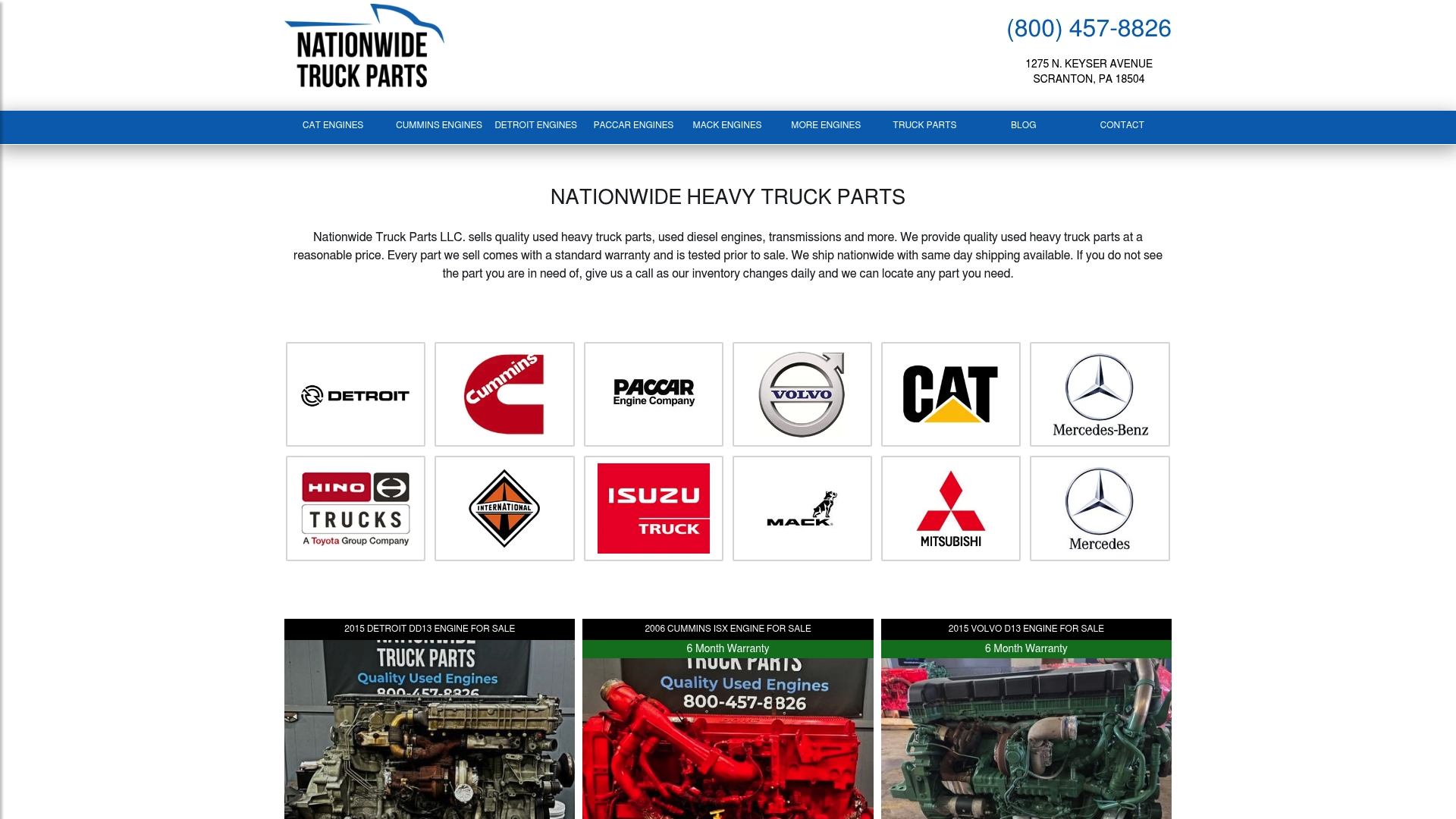
Same-day shipping is available on in-stock units, which means a verified, compatible engine can be on its way to your shop the same day you call. The team at Nationwideheavytruckparts helps fleet operators and independent owners confirm compatibility before purchase, cutting the risk of integration delays. Browse the full truck engine inventory or contact Nationwideheavytruckparts directly to confirm availability for your specific make and model.
FAQ
How long does a semi truck engine replacement take?
A remanufactured or crate engine installation typically takes 1–3 days. In-frame rebuilds run 3–7 days, and full out-of-frame overhauls can take 14–28 days.
When should I replace instead of rebuild a semi truck engine?
Replace when repair costs exceed 50% of post-repair truck value or when there is catastrophic damage such as a cracked block. Replacement also makes more financial sense for high-mileage fleets where downtime costs are high.
What is the cost difference between a remanufactured and new semi truck engine?
New engines cost $40,000–$50,000 or more. Remanufactured units run $25,000–$35,000 and carry a comparable 2–3 year warranty, making them the preferred choice for most operators.
Can I do a semi truck engine swap without an ECM update?
Not always. Electronic differences within the same engine family can require ECM tuning and wiring harness modifications. Always verify ECM compatibility before installation to avoid operational failures after the swap.
What is the most common mistake that delays a semi truck engine replacement?
Skipping pre-installation compatibility verification is the top cause of delays. Parts sourcing gaps and ECM mismatches discovered after teardown can add days to the total downtime.