
The type of used semi truck engine you choose defines your truck's reliability, fuel costs, and resale value more than any other single component. The three engines that dominate the used Class 8 market are the Cummins X15, Detroit DD15, and PACCAR MX-13. Each has a distinct service footprint, power profile, and total cost of ownership. Truck owners and fleet managers who understand these differences before buying avoid costly surprises after the sale. Nationwideheavytruckparts stocks tested and inspected used diesel engines across all three platforms, with same-day shipping available.
1. Types of used semi truck engines: the top options ranked
The used diesel engine market for Class 8 trucks is not a level playing field. Three engines account for the majority of available inventory, and each suits a different operational profile.
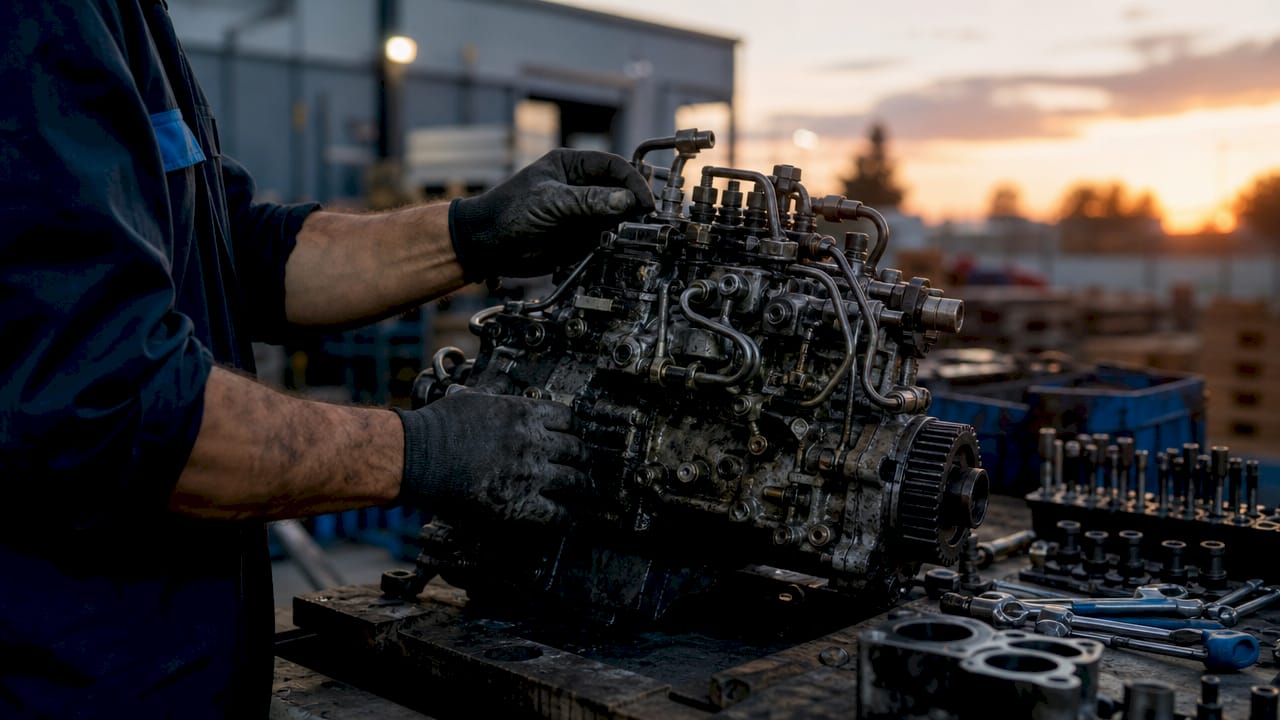
Cummins X15
The Cummins X15 is the most flexible used engine on the market. It fits Kenworth, Peterbilt, Freightliner, International, and Volvo chassis, which means you are not locked into one truck brand. Cummins-powered trucks command $5,000–$15,000 higher resale value versus Detroit or PACCAR engines after 3–5 years. That premium reflects real-world demand, not marketing.
- Power range: 400–605 horsepower
- Torque: Up to 2,050 lb-ft
- Typical lifespan: 800,000+ miles before major overhaul
- Service network: Largest independent service network in North America
- Best for: Mixed fleets, owner-operators, long-haul highway
Detroit DD15
The Detroit DD15 is the fuel efficiency leader among modern used semi engines. It performs best on Freightliner and Western Star chassis, where it was engineered to integrate tightly with the drivetrain and aftertreatment systems. Detroit engines reach 800,000+ miles under proper maintenance, making them a strong used buy when the service history is clean.
- Power range: 455–505 horsepower
- Torque: Up to 1,850 lb-ft
- Typical lifespan: 800,000+ miles
- Service network: Strong dealer network, less independent support
- Best for: Freightliner fleets, highway long-haul, fuel-conscious operators
PACCAR MX-13
The PACCAR MX-13 is lighter than the Cummins X15 and optimized for Kenworth and Peterbilt trucks. Its lower weight improves payload capacity on weight-sensitive routes. The trade-off is a more dealer-dependent service network, which can create downtime risk in regions with limited PACCAR dealer coverage.
- Power range: 405–510 horsepower
- Torque: Up to 1,850 lb-ft
- Typical lifespan: Comparable to Cummins and Detroit with proper maintenance
- Service network: Primarily PACCAR dealer-dependent
- Best for: Kenworth and Peterbilt operators, weight-sensitive applications
Pro Tip: If your routes cross multiple states and you run a mixed fleet, the Cummins X15 gives you the widest service access. A breakdown 600 miles from your nearest dealer is a budget problem, not just a mechanical one.
2. Additional used semi truck engine options worth considering
Beyond the top three, several other diesel engines appear regularly in the used market and deserve attention depending on your budget and application.
Volvo D13
The Volvo D13 is a capable engine for Volvo VNL trucks. It offers solid fuel economy and integrates well with Volvo's I-Shift automated transmission. Parts availability is reasonable, but service is largely dealer-dependent, similar to the PACCAR MX-13.
Mack MP8
The Mack MP8 is built for vocational and heavy-haul applications. It produces high torque at low RPM, which suits construction, logging, and regional distribution work. Mack MP8 engines are a strong choice when raw pulling power matters more than fuel economy.
Caterpillar C15
The Caterpillar C15 is a legacy engine with a devoted following among owner-operators. Its durability is well documented, and many units have exceeded 1,000,000 miles. The problem in 2026 is parts sourcing. Older CAT C15 engines face limited parts availability and shrinking technician expertise. That increases maintenance risk and downtime exposure. If you buy a used C15, confirm your local shop still works on them before committing.
3. Cost considerations for buying used semi truck engines
A used engine swap costs $10,000–$20,000 for the engine itself, plus $4,000 or more in labor. That is a significant savings compared to a remanufactured or crate engine, which runs $38,000–$53,000. The gap is real, but the used route carries more due diligence requirements.
The sticker price is not the full story. Labor and extra components can add 25% or more to your initial engine swap budget. Common add-ons include:
- Fluid flushes and coolant system service
- New sensors and wiring harness adapters
- Exhaust system adjustments or replacement components
- Transmission inspection and potential seal replacement
- Aftertreatment system compatibility checks
Fleet managers should budget for these line items from the start. A $14,000 engine that requires $6,000 in ancillary work is a $20,000 decision, not a $14,000 one.
Pro Tip: Get a written estimate that itemizes labor, fluids, and parts separately before authorizing any engine swap. Shops that quote a single lump sum often leave room for scope creep.
4. Reliability, service networks, and maintenance factors
Service network scale is the most underrated factor in used engine selection. Local service availability often outweighs brand loyalty when it comes to minimizing downtime. A slightly less efficient engine that you can get serviced anywhere beats a premium engine that sits idle waiting for a dealer appointment.
Before buying any used semi engine, request these documents from the seller:
- Oil analysis report: Shows internal wear metals, contamination levels, and coolant intrusion
- Compression test results: Confirms cylinder health and sealing integrity
- Maintenance logs: Verifies oil change intervals, filter history, and any prior repairs
- ECM fault code history: Reveals recurring issues the seller may not disclose verbally
Oil analysis and compression tests are non-negotiable due diligence steps. Skipping them to save time is how buyers end up with a $16,000 engine that needs a $9,000 rebuild six months later.
The Cummins X15 holds a clear advantage here. Cummins offers the widest service and parts network of any engine manufacturer in North America, with both dealer and independent shop coverage. Detroit and PACCAR engines benefit from strong OEM dealer networks but have less independent shop support. For operators running routes through rural areas or smaller markets, that gap matters.
Avoid engines with no documentation history or those pulled from trucks with unknown accident records. The risk of hidden damage is too high relative to any price savings.
5. Used semi truck engine types compared: feature categories and applications
Fuel economy differences between engine types can add $3,000–$4,000 annually in operating costs per truck. That figure compounds fast across a fleet of 10 or 20 units. Choosing the right engine category for your duty cycle is a financial decision, not just a mechanical preference.
| Feature category | High-efficiency highway engines | High-torque vocational engines | Lightweight regional engines |
|---|---|---|---|
| Horsepower range | 455–605 hp | 400–505 hp | 380–510 hp |
| Torque range | 1,650–2,050 lb-ft | 1,460–1,860 lb-ft | 1,350–1,850 lb-ft |
| Fuel economy priority | High | Moderate | Moderate to high |
| Service accessibility | Wide independent coverage | Dealer-dependent | Dealer-dependent |
| Ideal application | Long-haul highway, mixed fleets | Construction, heavy-haul, regional | Weight-sensitive routes, regional |
| Resale value | Strong to very strong | Moderate | Moderate |
| Maintenance complexity | Moderate | Moderate to high | Moderate |
Fuel economy should be calculated against your actual duty cycle, not manufacturer claims. A highway engine running 120,000 miles per year at 0.5 MPG better than a vocational engine saves real money. That same engine running short regional routes with frequent stops may not deliver those gains. Match the engine category to how your trucks actually operate.
Operators running mixed fleets benefit most from high-efficiency highway engines with wide service coverage. Vocational fleets pulling heavy loads on shorter routes prioritize torque and durability over fuel economy. Regional operators often find that lightweight engines with good dealer coverage hit the right balance between payload capacity and running costs.
Key takeaways
The best used semi truck engine is the one that matches your duty cycle, fits your service network, and comes with documented health records.
| Point | Details |
|---|---|
| Cummins X15 leads resale value | Cummins-powered trucks command $5,000–$15,000 more at resale after 3–5 years. |
| Budget beyond the engine price | Labor and ancillary parts add 25% or more to the total swap cost. |
| Service network drives uptime | Cummins offers the widest independent coverage; PACCAR and Detroit are more dealer-dependent. |
| Verify health before buying | Always request oil analysis and compression test reports before committing to any used engine. |
| Match engine type to duty cycle | Fuel economy differences of 0.5 MPG can cost $3,000–$4,000 per truck annually. |
What I've learned about picking used semi truck engines
Truck owners and fleet managers often walk into used engine decisions focused on brand reputation. That instinct is understandable, but it leads to expensive mistakes. I have seen operators buy a well-regarded engine at a fair price, only to spend months chasing dealer appointments because no independent shop within 200 miles would touch it. The engine was fine. The service situation was not.
My honest recommendation: map your service network before you pick your engine. Find out which shops within 100 miles of your primary routes are certified or experienced with the engine you are considering. If the answer is "only the dealer," factor in dealer wait times and rates before you sign anything.
The Caterpillar C15 is a good example of where reputation and reality diverge. The engine is genuinely durable. But finding a technician who knows it well enough to do more than basic maintenance is harder every year. For an owner-operator who does their own work, that is manageable. For a fleet manager who needs fast turnaround, it is a liability.
One more thing most buyers overlook: resale value is part of your total cost of ownership calculation. A Cummins X15 costs more upfront in the used market, but it returns more when you sell or trade the truck. That spread matters when you are cycling equipment every 3–5 years.
— Carl
Quality used semi truck engines at Nationwideheavytruckparts
Truck owners and fleet managers who need a reliable used engine without the guesswork have a direct option.
Nationwideheavytruckparts carries a daily-changing inventory of tested and inspected used diesel engines, including Cummins diesel engines, Detroit Diesel engines, and used truck engines across multiple brands. Every engine goes through a thorough inspection process and comes backed by a standard warranty. Same-day shipping means less downtime between the purchase decision and getting your truck back on the road. Whether you run a single truck or a regional fleet, Nationwideheavytruckparts makes it straightforward to find the right engine at a competitive price.
FAQ
What are the most reliable used semi truck engines?
The Cummins X15, Detroit DD15, and PACCAR MX-13 are the most reliable used Class 8 engines available, with documented lifespans of 800,000 miles or more under proper maintenance.
How much does a used semi truck engine swap cost?
A used engine typically costs $10,000–$20,000, plus $4,000 or more in labor. Budget an additional 25% for fluids, sensors, and ancillary parts.
Is a used engine better than a remanufactured engine?
A used engine costs significantly less upfront, with remanufactured options running $38,000–$53,000. The used route requires more due diligence but delivers strong value when the engine has clean documentation.
What should I check before buying a used semi truck engine?
Request an oil analysis report, compression test results, maintenance logs, and ECM fault code history. These records reveal internal wear and recurring issues before you commit.
Which used engine has the best resale value?
Cummins-powered trucks command $5,000–$15,000 higher resale value compared to Detroit or PACCAR-powered trucks after 3–5 years, making the Cummins X15 the strongest choice for resale-conscious buyers.