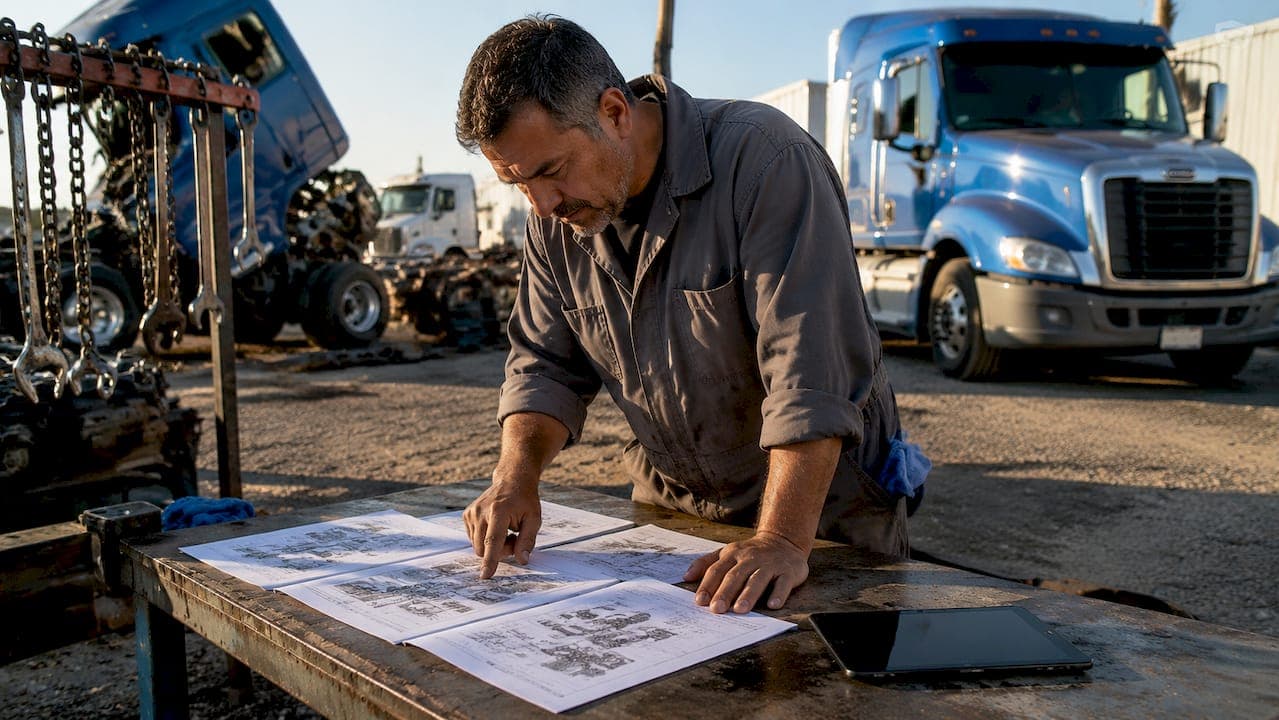
Engine compatibility is defined as the precise matching of an engine's variant, calibration, and emissions configuration to a specific truck's VIN and software environment. Every trucker who has faced an unexpected derate or a voided warranty understands why engine fits matter in ways that go far beyond simple bolt patterns. Brands like Cummins, Paccar, and CAT build engines with unique software variants, sensor packages, and emissions hardware that are not interchangeable across vehicle configurations. Getting this wrong costs money, time, and sometimes your operating license. The importance of engine compatibility is not a theoretical concern. It is a daily operational reality for drivers and fleet owners across every major freight corridor in the United States.
Why trucker knows engine compatibility matters: VIN and software calibration
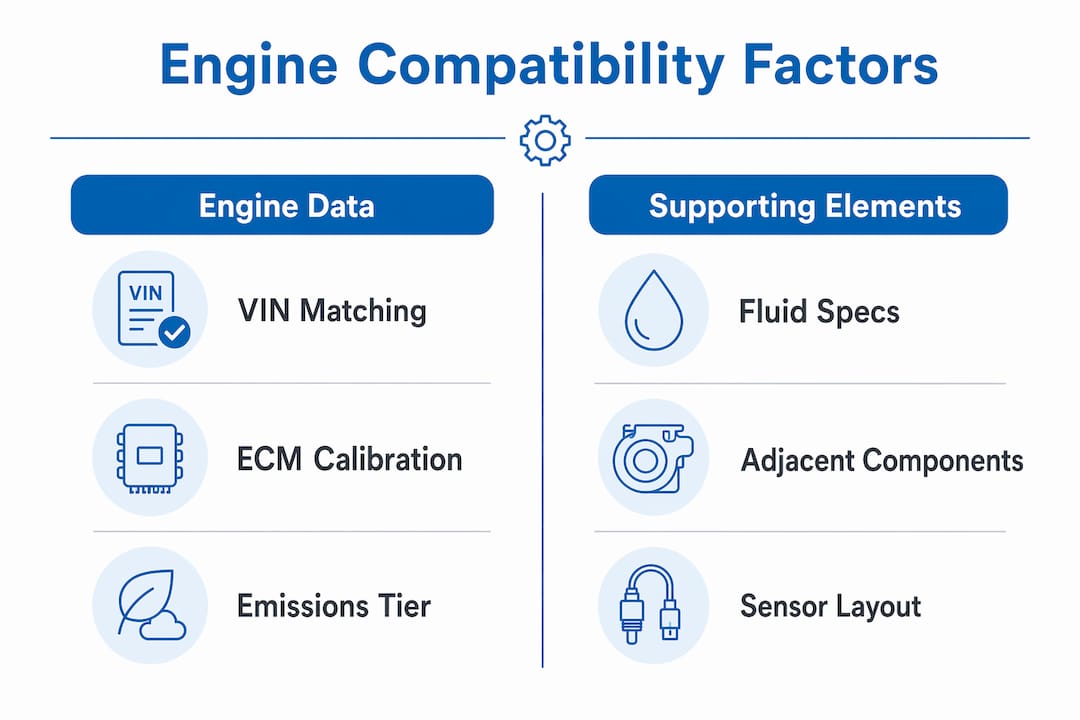
The VIN is not just a registration number. It is the key that unlocks every specification your truck was built to run. Professional shops rely on VIN and variant matching to confirm that wiring harnesses, sensor packages, emissions configurations, and software calibrations all align before any engine goes in. A mismatch at this stage does not just cause a check engine light. It creates drivability complaints, emissions failures, and legal exposure that can ground your truck.
Modern heavy trucks run ECU and ECM systems that are calibrated at the factory to match a specific VIN, emissions tier, and sensor layout. When you swap in a donor engine, that engine's control module carries its own calibration history. ECU reflashing and VIN synchronization are required to overwrite the donor module with the recipient truck's exact calibration, so the systems communicate correctly. Skip this step and you are running a truck that thinks it is a different vehicle.
Here is what shops verify before approving any engine installation:
- VIN confirmation against the engine's emissions package and software variant
- Sensor and wiring harness compatibility across the entire engine bay
- Emissions tier alignment with the truck's registration state requirements
- ECM calibration match or a confirmed reflash plan before installation
- Fuel system compatibility, including injection pump type and rail pressure specs
Pro Tip: Ask any engine supplier to provide the donor engine's VIN history and emissions certification number before you commit to a purchase. If they cannot produce it, walk away.
Understanding truck engine systems at this level is what separates a smooth swap from a six-week diagnostic nightmare. Shops that refuse installs without full confirmation are protecting you, not slowing you down.
How adjacent components and fluid specs affect engine fit
Engine compatibility for drivers does not stop at the block. The components surrounding the engine and the fluids running through it are equally capable of causing catastrophic failures when mismatched. Two of the most misunderstood examples in the heavy truck world involve injection pumps and diesel engine oil specifications.
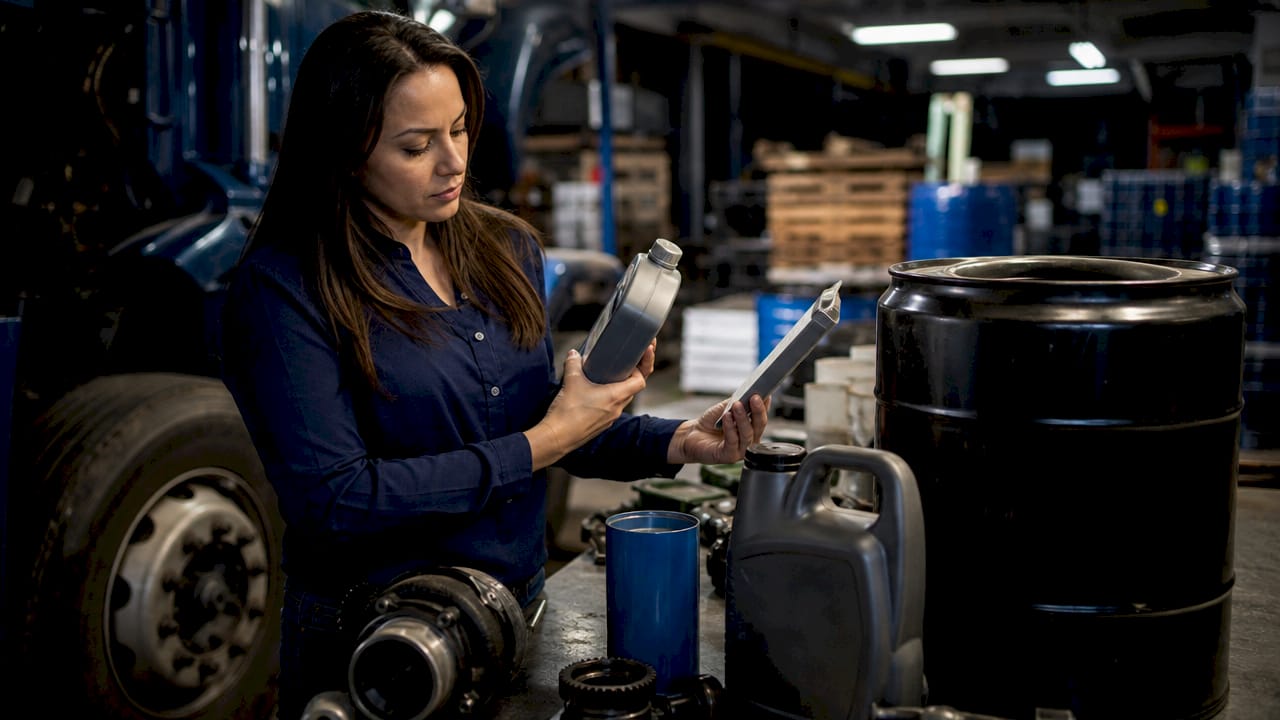
The Bosch CP3 and CP4 injection pumps are a direct illustration of why this matters. These pumps are architecturally different and non-interchangeable. The CP4 was designed around European ultra-low-sulfur diesel with tighter tolerances, making it vulnerable under North American fuel conditions. A wrong swap does not just reduce performance. It causes metal contamination throughout the entire fuel system, requiring a full system replacement that can run into thousands of dollars.
| Specification | CP3 Pump | CP4 Pump |
|---|---|---|
| Design origin | North American fuel conditions | European ultra-low-sulfur diesel |
| Failure mode | Gradual wear under stress | Catastrophic metal contamination |
| Swap risk | Lower under US fuel | High under US fuel conditions |
| Recommended use | Cummins and Duramax applications | OEM-spec European diesel environments |
Oil specification is the second area where truckers and fleet owners get burned. The difference between CK-4 and FA-4 diesel engine oil is not just a label. FA-4 oil demands lower HTHS viscosity and requires specific OEM approval. Running FA-4 in an engine calibrated for CK-4 accelerates wear and can void your warranty outright. The failure often does not appear immediately. Compatibility problems manifest under load and operating temperature, which means you may run for weeks before the damage becomes visible.
Pro Tip: Cross-reference your engine's OEM oil specification sheet against the oil drum label every time you source from a new supplier. CK-4 and FA-4 containers look nearly identical on a shelf.
Emissions hardware matching follows the same logic. NOx sensors, EGR valves, and DPF systems are calibrated to specific engine variants. Installing a CAT EGR valve or a Volvo NOx sensor from a different model year or emissions tier creates signal conflicts that the ECM reads as active faults.
What happens when engine compatibility is ignored
The consequences of incompatible engines are not abstract. They show up as hard faults, derated trucks, and repair bills that dwarf the cost of getting compatibility right from the start. Understanding these outcomes is the core of practical trucker engine knowledge.
ECM-mandated derates are the most immediate consequence. These are not optional limp modes. ECM derates are mandated emissions protections that progressively restrict power and speed when the aftertreatment system detects faults. The progression typically moves through warning stages before reaching a severe derate. At the worst level, a truck can be restricted to 5 mph after failed regen attempts, making it completely unusable as a revenue-generating asset.
Here is the typical derate progression a fleet owner should know:
- Stage 1: Warning lamp activates. No power restriction yet, but a fault is logged.
- Stage 2: Moderate power reduction. Truck is drivable but noticeably slower under load.
- Stage 3: Significant speed restriction. Highway operation becomes impossible.
- Stage 4: Severe derate. Truck is limited to crawl speed and requires dealer intervention to clear.
- Stage 5: Full shutdown. Engine will not restart without a shop-level diagnostic reset.
"Tamper detection can trigger severe and immediate derates requiring dealer intervention. Once the ECM flags a calibration mismatch, the truck does not negotiate." — Torque Edge, Aftertreatment Derate Levels Explained
Warranty voidance is the second major consequence. Mismatched parts or incorrect fluid specifications give manufacturers and extended warranty providers a clear basis to deny claims. A single oil spec violation documented during a teardown can eliminate coverage on a six-figure engine replacement. Fleet owners who manage multiple trucks need to treat compatibility verification as a line item in their risk management budget, not an afterthought.
How to verify engine compatibility before installation
Proactive verification is the only reliable way to avoid trucking and engine issues that cost time and money. The steps below apply whether you are sourcing a replacement engine for a single owner-operator truck or managing a fleet procurement cycle.
- Confirm VIN and calibration data from the supplier. Request the donor engine's VIN, emissions certification, and ECM calibration history in writing before purchase. Reputable suppliers provide this as standard documentation.
- Check your state's emissions registration requirements. Engine emissions tiers vary by model year, and some states enforce stricter standards than federal minimums. An engine legal in one state may fail registration in another.
- Verify fuel system compatibility. Confirm injection pump type, fuel rail pressure specs, and injector flow rates match your truck's existing fuel system architecture.
- Match oil specifications to the OEM requirement. Pull the engine's OEM spec sheet and confirm whether it calls for CK-4 or FA-4 before the first fill.
- Work with shops that perform ECU/VIN synchronization. A shop that skips reflashing the donor ECM is creating a compatibility time bomb. Ask directly whether they perform module synchronization as part of their swap workflow.
Pro Tip: Cross-reference the engine's emissions label against your truck's door jamb sticker before the engine leaves the supplier's dock. Both should reflect the same emissions tier. If they do not match, the installation will create problems downstream.
Reviewing resources on the Nationwideheavytruckparts blog gives fleet owners access to detailed compatibility guidance covering VIN matching, ECM workflows, and emissions compliance for modern heavy trucks.
Key takeaways
Engine compatibility is a system-level requirement that connects VIN data, ECM calibration, fuel system architecture, oil specification, and emissions hardware into a single chain where one wrong link grounds your truck.
| Point | Details |
|---|---|
| VIN matching is non-negotiable | Every engine swap requires VIN and calibration confirmation to prevent ECM conflicts and legal risk. |
| Adjacent components matter as much as the block | Injection pump type and oil spec mismatches cause failures as severe as a wrong engine entirely. |
| Derates are not warnings, they are shutdowns | ECM-mandated derates can reduce a truck to 5 mph and require dealer intervention to clear. |
| Warranty voidance is a real financial risk | Mismatched parts or fluids give warranty providers documented grounds to deny claims on major repairs. |
| Verification before installation is the only safe approach | Confirm VIN history, emissions tier, oil spec, and ECU reflash plan before any engine is installed. |
What I have learned after years of watching compatibility mistakes play out
I have seen fleet managers make the same mistake repeatedly. They find an engine at a price that looks too good to pass up, skip the documentation step, and hand it to a shop that asks no questions. Six weeks later, they are looking at a derate fault they cannot clear, a warranty claim that got denied, and a truck sitting in a yard earning nothing.
The uncomfortable truth about engine compatibility is that most of the damage is invisible until it is expensive. A CP4 pump running on marginal fuel does not announce itself. An oil spec violation does not trigger a fault code. These failures accumulate quietly and then arrive all at once during a load that cannot afford a breakdown.
What experienced shops understand, and what every fleet owner should internalize, is that compatibility verification is risk management. It is not a bureaucratic delay. The shops that treat install approval as a risk decision covering emissions, calibration, software, and sensor matching are the ones whose customers do not end up stranded on I-80 at 2 a.m.
My honest recommendation is to build a compatibility checklist into every procurement decision before price becomes the conversation. The cost of getting it right upfront is always lower than the cost of getting it wrong under load.
— Carl
Find compatible engines backed by real verification
Nationwideheavytruckparts carries a daily-changing inventory of tested and inspected diesel engines from Cummins, CAT, Detroit Diesel, Paccar, Mack, and more. Every engine comes with documentation to support your compatibility verification process, and same-day shipping means your truck gets back on the road without unnecessary delays. Whether you need a Cummins diesel engine for a specific emissions tier, a CAT engine matched to your application, or a Detroit Diesel replacement with verified calibration history, Nationwideheavytruckparts provides the documentation and warranty backing that makes compatibility confirmation straightforward. Browse the full inventory at Nationwideheavytruckparts.com and get the right engine the first time.
FAQ
What does engine compatibility mean for truck drivers?
Engine compatibility means the replacement engine matches your truck's VIN, ECM calibration, emissions tier, and sensor package. A mismatch in any of these areas causes drivability faults, emissions failures, or warranty voidance.
Why does VIN matching matter when swapping a truck engine?
VIN matching confirms that the donor engine's software, emissions package, and sensor layout align with the receiving truck's factory configuration. Without it, ECM conflicts cause active fault codes and potential derates.
What is an ECM derate and how does it relate to engine compatibility?
An ECM derate is a mandatory power and speed restriction triggered when the aftertreatment system detects an emissions fault. Incompatible engines or components frequently cause the calibration mismatches that trigger these derates, sometimes reducing a truck to 5 mph.
Can the wrong oil specification void a truck engine warranty?
Yes. Using FA-4 oil in an engine specified for CK-4 provides inadequate protection at operating temperature and gives warranty providers documented grounds to deny claims on engine damage.
How do I confirm an engine is compatible before buying it?
Request the donor engine's VIN history, emissions certification number, and ECM calibration documentation from the supplier. Confirm the emissions tier matches your truck's registration state requirements before the engine ships.