
Used diesel engines are the preferred cost-reduction tool for fleet managers who need to control capital expenses without sacrificing uptime. The logic is straightforward: a used engine costs 30–70% less than a new unit, and in a fleet of 20 or 50 trucks, that gap compounds fast. Brands like Cummins, Detroit Diesel, and Caterpillar dominate the used market because their engines are built to run well past 500,000 miles with proper maintenance. Understanding why fleets use used diesel engines comes down to three factors: purchase price, replacement speed, and total cost of ownership across the vehicle's remaining service life.
What are the main cost benefits of used diesel engines for fleets?
Used diesel engines deliver the most immediate financial impact at the point of purchase. High-quality used units typically run between $9,250 and $15,000, compared to $20,000 or more for a new replacement. That price difference is not a minor line item. For a fleet replacing five engines in a fiscal year, the savings can exceed $50,000 before labor is even factored in.
The financial case gets stronger when you account for downtime. Industry-average downtime costs run approximately $760 per hour. A truck waiting three weeks for a new engine order represents tens of thousands of dollars in lost revenue and missed loads. A used engine swap completed in days cuts that exposure dramatically.
Used engines also serve a specific strategic purpose: deferring capital expenses on trucks near the end of their service life. Trucks with 1–2 years of remaining service life rarely justify the cost of a new engine. A used unit extends the truck's operational window without committing to a long-term investment that the vehicle cannot support.
| Cost Factor | New Engine | Used Engine |
|---|---|---|
| Typical purchase price | $20,000+ | $9,250–$15,000 |
| Lead time | 3–6 weeks | 2–5 days |
| Best use case | Long-service vehicles | Trucks near end of life |
| Downtime exposure | High (long wait) | Low (fast swap) |
Pro Tip: Factor in freight with liftgate requirements, ECM compatibility, and post-installation diagnostics before finalizing your budget. These hidden costs can quietly reduce your anticipated savings if you do not plan for them upfront.
How do used engines compare to remanufactured and new engines?
The used versus remanufactured decision is one of the most common calls fleet managers face. Each option serves a different operational profile, and choosing the wrong one costs money in ways that do not show up on the purchase order.
Remanufactured engines are rebuilt to original equipment specifications, often with new internal components and a manufacturer-backed warranty. They cost more than used units and carry longer lead times, but they offer predictable performance over a multi-year horizon. Remanufactured engines better suit long-term reliability applications where the truck has five or more years of service ahead of it.
Used engines fill a different role. They are the right call when speed and cost matter more than long-term warranty coverage. A used Cummins ISX or Detroit DD15 pulled from a low-mileage donor vehicle can perform reliably for years. The risk is that condition varies, and a used engine without proper inspection history is a gamble no fleet manager should take.
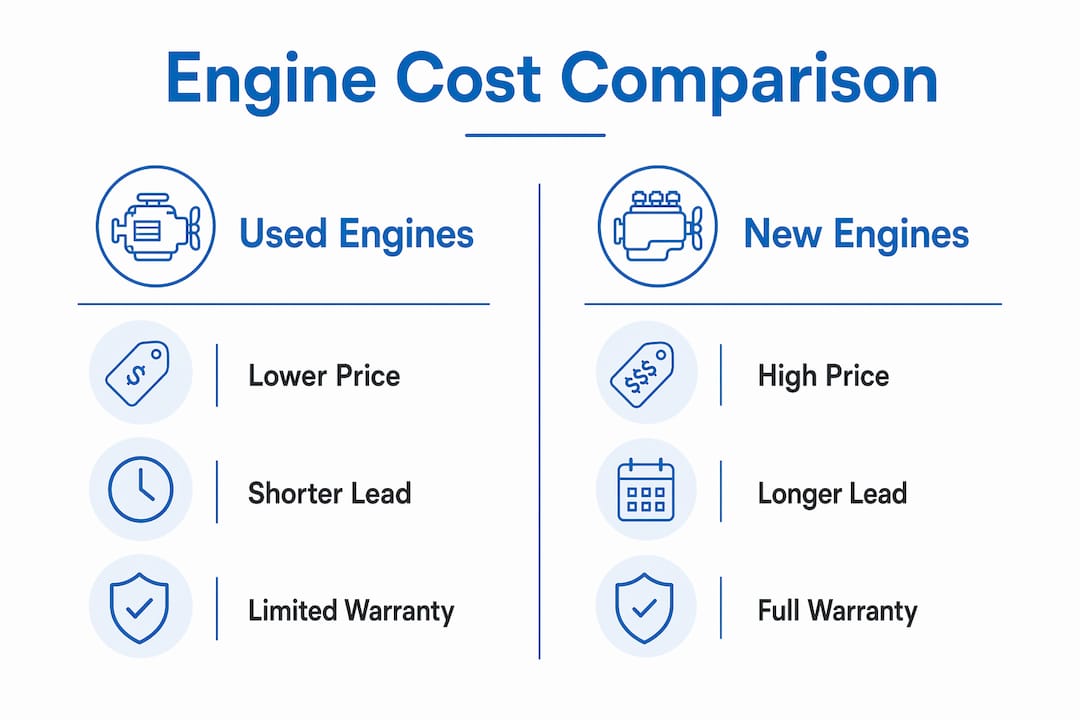
New engines offer the highest reliability ceiling but at a cost and lead time that rarely makes sense for trucks already carrying high mileage. Fleet operators prioritize reducing cost without affecting uptime, and new engines often fail that test when the truck itself has limited remaining value.
| Engine Type | Upfront Cost | Lead Time | Warranty | Best For |
|---|---|---|---|---|
| New | Highest | 3–6 weeks | Full OEM | New or low-mileage trucks |
| Remanufactured | Mid-range | 1–3 weeks | Limited warranty | Trucks with 3–5+ years remaining |
| Used | Lowest | 2–5 days | Varies by seller | Trucks with 1–2 years remaining |
Pro Tip: Always request oil analysis and compression test reports before committing to a used engine purchase. Running condition alone does not reveal internal damage from overheating or oil starvation. These tests cost little and protect you from expensive surprises.
What operational advantages do used diesel engines offer fleet managers?
The operational case for used diesel engines goes beyond the sticker price. Speed of replacement is where the real advantage lives for logistics operations running on tight delivery schedules.
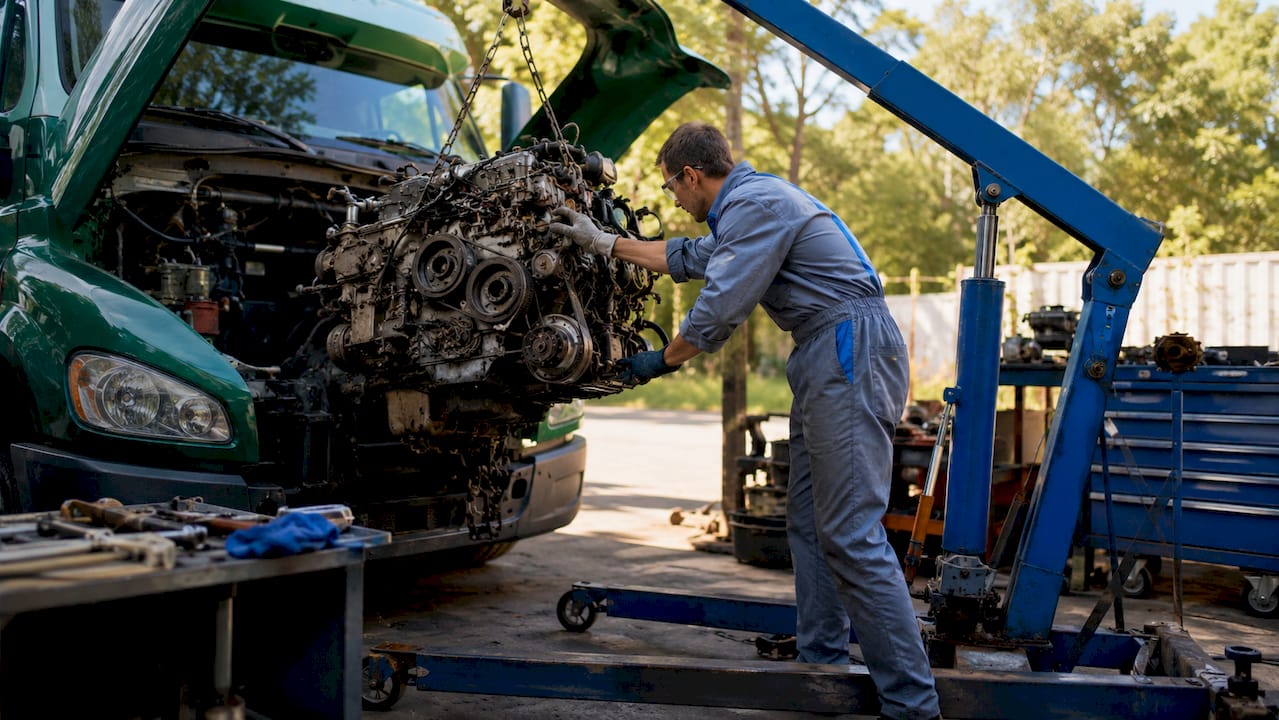
A used engine swap can often be completed within a few days. That speed matters enormously when a truck is sitting in a yard instead of generating revenue. Fleet managers running regional distribution or long-haul operations cannot afford to wait weeks for a new engine to arrive and be installed.
Used engines also give fleet managers scheduling flexibility. When you know a replacement can be sourced and installed quickly, you can plan maintenance windows around load schedules rather than around parts availability. That control reduces the reactive, emergency-repair mode that drives up labor costs and disrupts operations.
Here is where used diesel engines create the most operational value:
- Mixed fleet management: Used engines let you maintain older trucks in service while newer units handle primary routes, spreading wear across the fleet.
- Emergency replacements: When a truck fails unexpectedly, a used engine from a trusted supplier gets it back on the road in days, not weeks.
- Interim solutions: For trucks scheduled for retirement within 18 months, a used engine keeps them productive without over-investing in the asset.
- Budget cycle flexibility: Used engines allow capital expense deferral to the next budget period when cash flow is tight.
Pro Tip: Before installation, verify ECM compatibility between the donor engine and your truck's existing electronics. Incompatible ECM configurations require additional programming time and cost that can offset your savings.
How do used diesel engines support fleet sustainability goals?
Reusing diesel engines is one of the most direct ways a fleet can reduce its environmental footprint without changing its operational model. Reusing existing diesel engines minimizes carbon output by cutting demand for new manufacturing and keeps heavy metal components out of landfills. That is a concrete ESG contribution, not a marketing claim.
Manufacturing a new diesel engine requires significant energy, raw materials, and industrial processes. Every used engine that replaces a new purchase eliminates that manufacturing demand entirely. For fleets with corporate sustainability targets, this is a measurable reduction in Scope 3 emissions tied to procurement.
Sustainability goals increasingly influence fleet decisions and corporate ESG strategies across heavy industries. Fleet managers are now expected to report on environmental impact alongside financial performance. Used engine procurement gives them a straightforward way to show progress on both fronts simultaneously.
The sustainability case also connects to regulatory trends. As emissions standards tighten, some used engines can be upgraded or recalibrated to meet current requirements, extending their useful life while reducing the fleet's overall environmental impact. This approach aligns with circular economy principles that regulators and investors increasingly reward.
Key takeaways
Used diesel engines deliver the strongest financial and operational return for fleet managers when matched to the right vehicle and use case.
| Point | Details |
|---|---|
| Upfront cost savings | Used engines cost 30–70% less than new units, saving thousands per replacement. |
| Downtime reduction | Fast sourcing cuts truck-out-of-service time from weeks to days, protecting revenue. |
| Right vehicle match | Used engines are best for trucks with 1–2 years of remaining service life. |
| Inspection is non-negotiable | Oil analysis and compression tests must confirm condition before purchase. |
| Sustainability contribution | Reusing engines reduces manufacturing demand and supports measurable ESG goals. |
What i have learned after years of watching fleets make this decision
The biggest mistake I see fleet managers make is treating used engine purchases as purely transactional. They find a price they like, skip the inspection documentation, and move fast. Sometimes it works. Often it does not, and the downtime cost from a failed used engine wipes out two or three purchases worth of savings in a single incident.
The fleet managers who consistently win with used engines do two things differently. First, they build relationships with suppliers who provide documented inspection history, not just a verbal assurance that the engine "runs good." Second, they match the engine choice to the truck's remaining value. Putting a used engine in a truck with four years of service left is a reasonable bet. Putting a new engine in that same truck is often a waste. Putting any engine in a truck that should be retired is just delaying an inevitable loss.
Downtime risk is the key hidden cost in used engine decisions. I have watched fleets save $8,000 on a purchase and then spend $15,000 in downtime costs because the engine failed at 30,000 miles. The math only works when the inspection process is rigorous.
The sustainability angle is real and growing. More fleet managers are being asked by corporate leadership to justify procurement decisions on environmental grounds. Used engines give you a genuine answer to that question. They reduce manufacturing demand, extend component life, and keep material out of waste streams. That is not spin. It is a straightforward benefit that happens to align with cost savings.
My honest advice: treat the inspection as the purchase decision, not the price. The price gets you in the door. The inspection tells you whether you are buying an asset or a liability.
— Carl
Find quality used diesel engines for your fleet
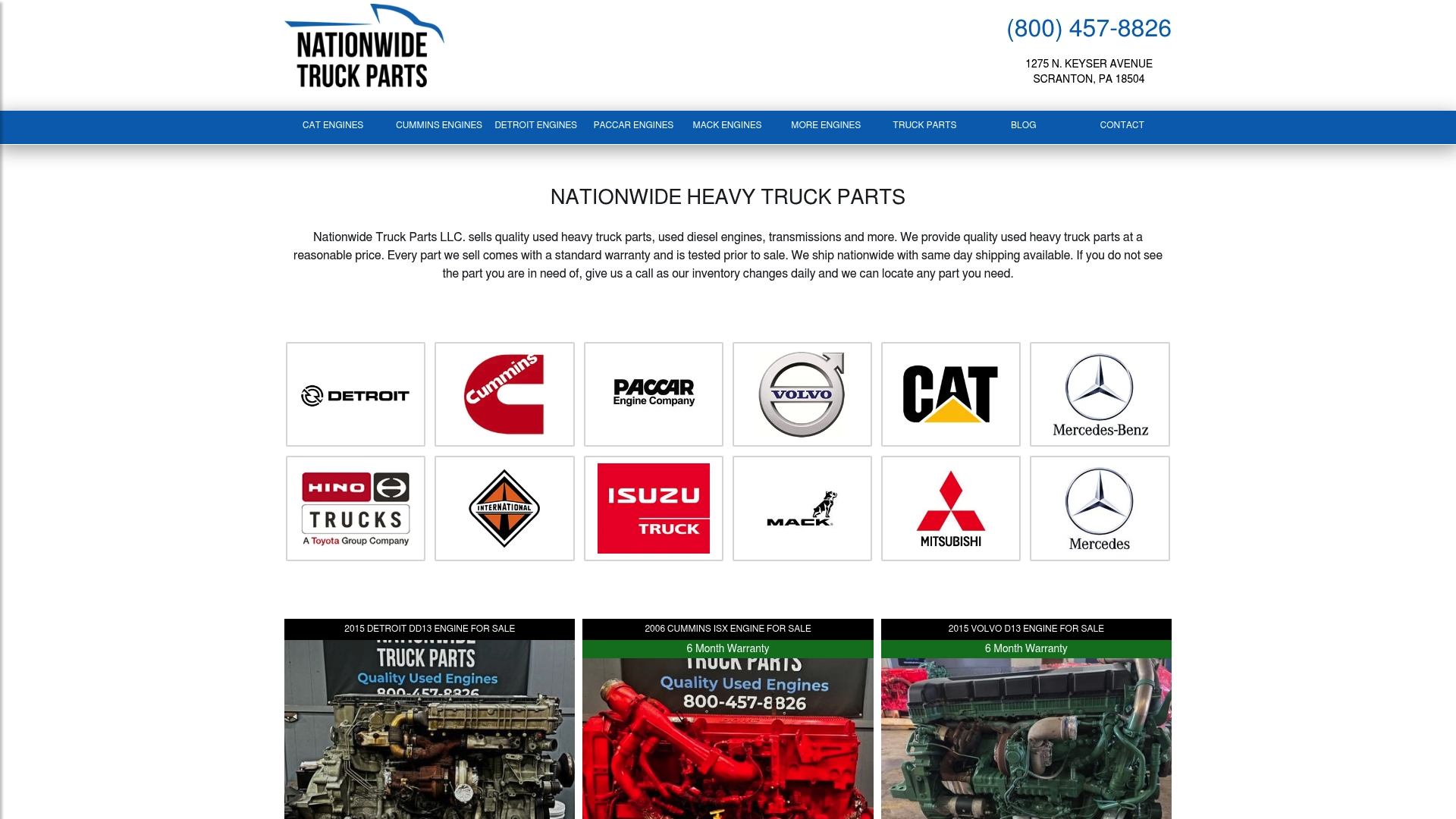
Nationwideheavytruckparts carries a daily-updated inventory of tested and inspected used commercial truck engines from the brands your fleet already runs. That includes Cummins diesel engines, Detroit Diesel units, CAT, Mack, and more. Every engine goes through a thorough inspection process and ships with a standard warranty, so you are not buying blind. Same-day shipping means your truck spends days in the shop, not weeks. If you need help matching an engine to a specific truck model or verifying compatibility, the Nationwideheavytruckparts team works directly with fleet managers to find the right fit fast. Visit Nationwideheavytruckparts.com to search current inventory by brand, model, and application.
FAQ
How much can fleets save by choosing used diesel engines?
Used diesel engines typically cost 30–70% less than new replacements, with quality units priced between $9,250 and $15,000. Across a fleet replacing multiple engines per year, total savings can reach five figures annually.
Are used diesel engines reliable enough for commercial fleet use?
Yes, when properly inspected. Oil analysis and compression tests confirm internal condition and identify hidden damage that visual inspection misses. Engines sourced from reputable suppliers with documented inspection history perform reliably in commercial applications.
When does a used engine make more sense than a remanufactured one?
Used engines are the better choice for trucks with 1–2 years of remaining service life, where the lower upfront cost and faster availability outweigh the long-term warranty benefits of a remanufactured unit.
What hidden costs should fleet managers watch for with used engines?
Freight with liftgate requirements, ECM compatibility issues, and post-installation sensor diagnostics are the most common unexpected expenses. Planning for these costs upfront protects your projected savings.
Do used diesel engines support corporate sustainability goals?
Reusing diesel engines reduces the carbon footprint associated with new engine manufacturing and keeps heavy metal components out of landfills. This makes used engine procurement a direct contributor to measurable ESG and Scope 3 emissions targets.