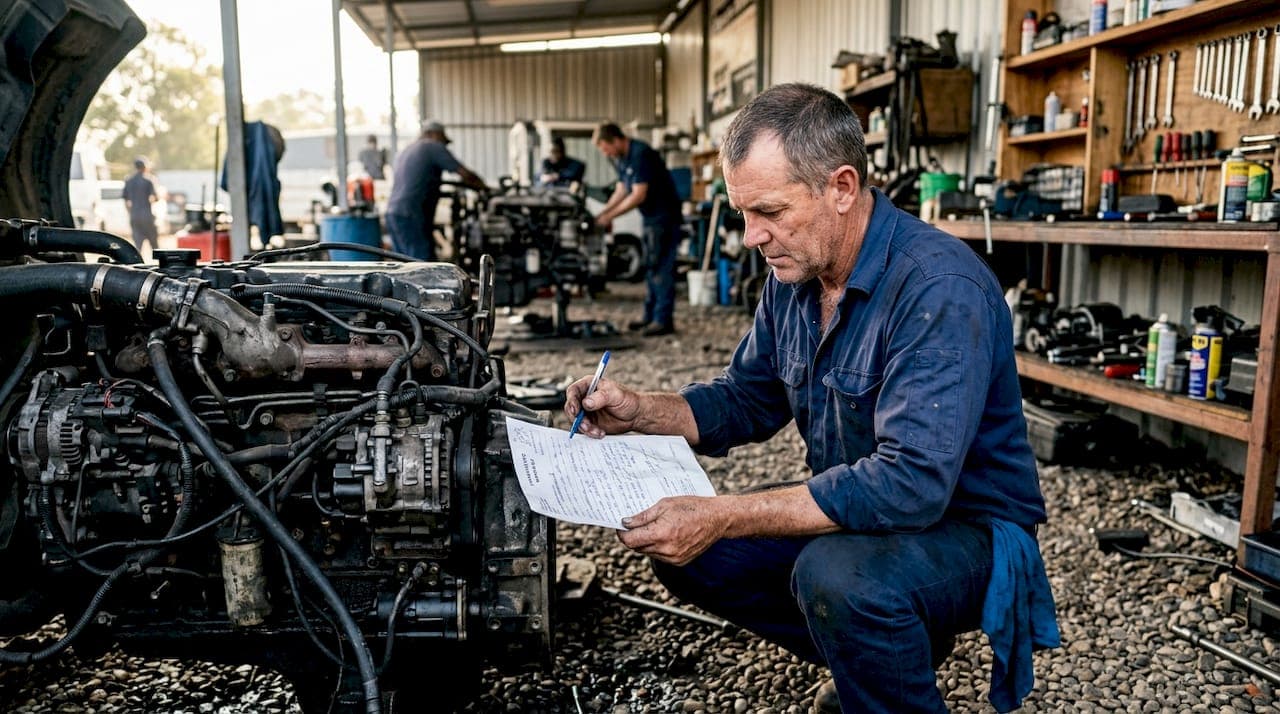
A warranty on a used engine is a supplier's guarantee that protects you against major mechanical failures and confirms the engine meets a defined quality standard. Understanding why used engines come with warranties helps you separate reliable suppliers from risky ones before you spend a dollar. Nationwideheavytruckparts backs every used engine with a standard warranty, which signals tested quality rather than blind hope. Standard used engine warranties typically run 30 to 90 days, with premium coverage extending to 3 years or 40,000 miles. That range tells you exactly how much confidence a supplier has in what they are selling.
Why used engines come with warranties
A used engine warranty exists because used engines carry unknown risk. Every engine has a history, and that history includes wear patterns, prior repairs, and maintenance gaps that no visual inspection can fully reveal. A warranty forces the supplier to stand behind the engine financially, which creates a direct incentive to inspect and test before the sale.
Reputable suppliers perform pre-sale inspections and provide testing data like compression results to reduce the risk of post-sale failures. That data matters because compression readings confirm whether the engine's internal components are holding pressure as designed. A supplier who skips this step has no financial reason to care what happens after the engine leaves their lot.
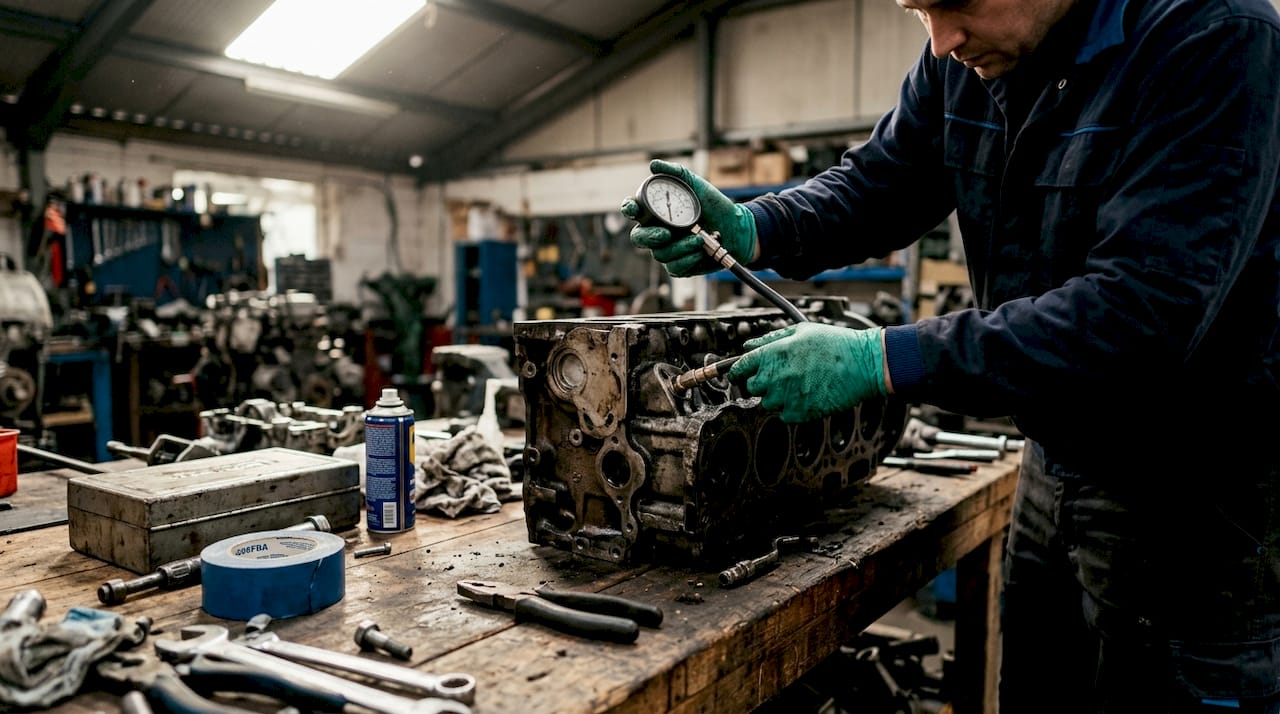
Warranties also serve as a quality signal you can read before buying. A supplier unwilling to offer any warranty is telling you something important about their confidence in the product. Warranties serve as an internal quality metric for suppliers. Those unwilling to provide them imply inconsistent quality control.
The financial protection runs both ways. You avoid paying for a catastrophic repair out of pocket. The supplier avoids selling engines that generate constant claims, which would destroy their reputation and margin. The warranty aligns both parties toward the same outcome: an engine that runs.
What do used engine warranties typically cover and exclude?
Most used engine warranties cover the major internal components that cause catastrophic failure. Coverage typically includes block cracks, cylinder head issues, crankshaft failure, piston failure, and camshaft damage. These are the failures that make an engine worthless overnight.
What warranties do not cover is equally important to understand. Standard exclusions include:
- Normal wear and tear on seals, gaskets, and rings
- External attachments like alternators, sensors, and fuel injectors
- Damage caused by improper installation
- Failure to replace related components such as water pumps or timing belts during installation
- Neglected maintenance after purchase
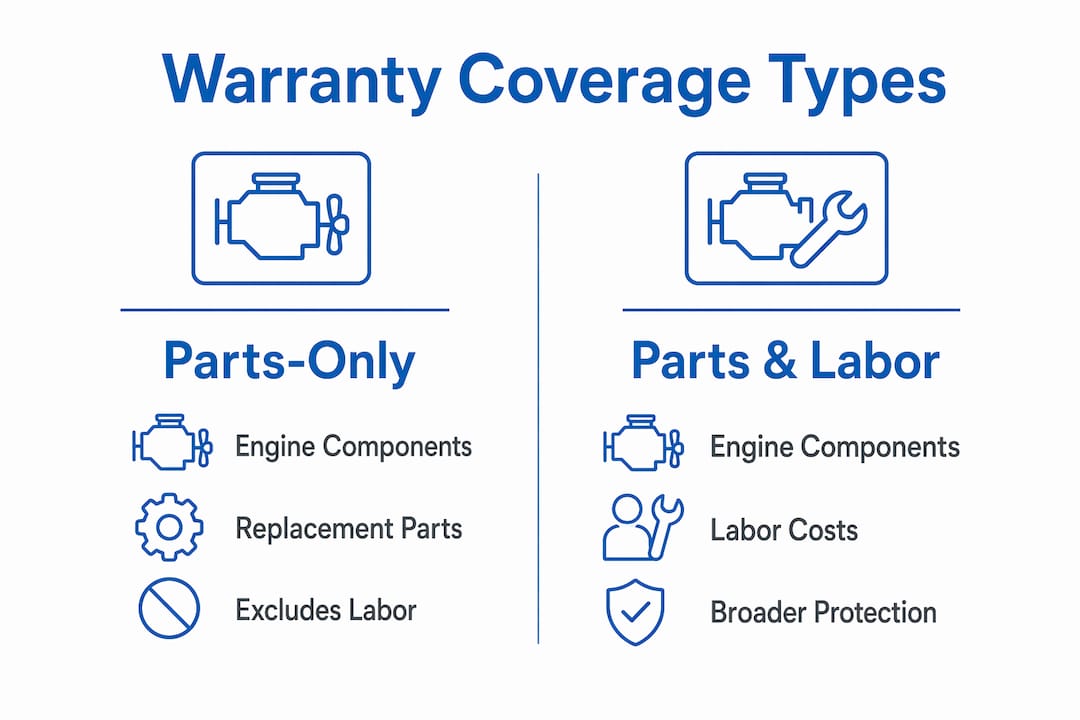
Two primary coverage types exist in the used engine market. A parts-only warranty covers the cost of replacement components but leaves you responsible for labor. A parts-and-labor warranty covers both. Labor can represent 50–70% of total repair costs, so a parts-only warranty can still leave you with a large bill.
| Coverage element | Parts-only warranty | Parts-and-labor warranty |
|---|---|---|
| Internal block components | Covered | Covered |
| Crankshaft and camshaft | Covered | Covered |
| Labor costs | Not covered | Covered up to stated limit |
| External attachments | Excluded | Excluded |
| Wear items (seals, gaskets) | Excluded | Excluded |
| Improper installation damage | Excluded | Excluded |
Pro Tip: Read the labor reimbursement cap before you sign anything. Some warranties cap labor at a flat rate that does not reflect real shop rates in your area, leaving a gap between what the warranty pays and what the repair actually costs.
What does a warranty signal about the supplier?
A warranty tells you the supplier ran the engine through a real inspection process. No business willingly accepts financial liability for a product it knows will fail. That logic makes warranty coverage one of the most honest signals available when evaluating a used engine seller.
Ask these questions before buying:
- Did the supplier perform a compression test, and can they share the results?
- What specific components does the warranty cover?
- Does the warranty require installation by a certified mechanic?
- What documentation do you need to keep the warranty valid?
- Does the warranty cover labor, or parts only?
Extensive warranty coverage reduces buyer anxiety and transactional friction, improving post-sale satisfaction. That outcome benefits both parties. A buyer who feels protected is more likely to return and more likely to refer others.
"A short but comprehensive parts-and-labor warranty often delivers more protection than a longer parts-only warranty." This principle holds because duration without depth leaves buyers exposed to the costs that matter most.
Nationwideheavytruckparts applies this standard directly. Each engine goes through thorough testing and inspection before it ships. The warranty that comes with it reflects that process, not a marketing promise.
How to choose the right used engine warranty for your needs
Choosing the right warranty starts with matching coverage to how you use the vehicle. A personal truck driven occasionally needs different protection than a fleet vehicle logging thousands of miles per month.
Follow this checklist when evaluating any warranty offer:
- Check the duration. Warranty durations range from 30 days to 3 years. Short warranties suit low-mileage or secondary vehicles. Longer coverage makes sense for primary or commercial vehicles.
- Confirm labor coverage. A parts-only warranty on a heavy diesel engine can leave you with a labor bill that exceeds the engine's purchase price. Confirm what the warranty pays and what it caps.
- Verify installation requirements. Most warranties require a certified mechanic to perform the installation. Confirm this before scheduling any work.
- Ask about nationwide or no-fault coverage. Nationwide no-fault warranties cover repairs regardless of fault, which reduces downtime costs for fleet operators and frequent travelers. This type of coverage removes the argument over who caused the failure.
- Review maintenance requirements. Some warranties require specific fluids, filter changes, or peripheral part replacements. Missing one step can void the entire claim.
- Get everything in writing. Verbal assurances about coverage mean nothing when a claim is denied. The written terms are the only terms that count.
Pro Tip: Keep every receipt from the installation and every maintenance record after the engine goes in. Warranty claims are denied most often because buyers cannot prove the work was done correctly and on time.
Fleet managers face a specific calculation. Downtime costs money beyond the repair bill itself. A warranty that covers labor and provides fast claim resolution protects revenue, not just the engine. Prioritize coverage depth and claim speed over raw duration when buying for commercial use.
Common pitfalls and misunderstandings about used engine warranties
The most common mistake buyers make is ignoring consequential damage exclusions. Warranties do not pay for damage to other vehicle parts caused by catastrophic engine failure. If a failed engine destroys your transmission, the warranty covers the engine replacement, not the transmission repair.
Installation errors void more claims than any other single cause. Incorrect installation or undocumented work commonly results in automatic claim denial. Buyers who use an uncertified shop or skip documentation lose their coverage before the engine even warms up.
Vague warranty language is another trap. A warranty promising "3 years of coverage" sounds strong until you read the fine print and find labor excluded, a low reimbursement cap, and a list of maintenance requirements that disqualify most real-world use cases.
Steps to keep your warranty valid after purchase:
- Use a certified mechanic for installation and get a signed work order
- Replace all required peripheral components (water pump, timing belt, thermostat) at installation
- Follow the manufacturer's maintenance schedule for fluids and filters
- Keep all receipts and service records in a dedicated file
- Report any issues to the supplier immediately rather than attempting self-repair
Pro Tip: Failure to follow required maintenance or fluid specifications usually voids warranty claims outright. Treat the warranty terms as a maintenance checklist, not fine print to skip.
The gap between a warranty's stated duration and its real protection often comes down to these details. A buyer who reads the terms carefully and follows them precisely gets full value. A buyer who assumes coverage without checking gets a denial letter.
Key takeaways
Used engine warranties protect buyers from hidden mechanical failures and signal that the supplier tested the engine before the sale.
| Point | Details |
|---|---|
| Warranty as quality signal | Suppliers who offer warranties have financial incentive to inspect and test every engine before selling. |
| Coverage depth beats duration | A short parts-and-labor warranty protects more than a long parts-only warranty when labor costs 50–70% of repairs. |
| Installation determines validity | Certified mechanic installation with documented receipts is required to keep most warranties valid. |
| Exclusions carry real cost | Consequential damage to other vehicle parts is excluded, so buyers must budget for that risk separately. |
| No-fault coverage suits fleets | Nationwide no-fault warranties reduce downtime costs by covering repairs regardless of fault determination. |
What I've learned after years of watching buyers get burned on warranties
The buyers who get the most out of used engine warranties are the ones who treat the warranty document like a contract, not a comfort blanket. I have seen fleet managers buy engines with impressive duration claims, then discover the labor cap was set at a rate no real shop charges. The engine was covered. The bill was not.
The detail most buyers miss is the peripheral component requirement. Many warranties exclude damage caused by failing to replace the water pump or timing belt during installation. Those parts cost a fraction of the engine price. Skipping them to save money on the install is the fastest way to void coverage on a purchase worth thousands.
My honest take: a 90-day parts-and-labor warranty from a supplier who shares compression test results is worth more than a 2-year parts-only warranty from a supplier who cannot tell you how the engine was tested. Duration is marketing. Coverage depth is protection.
Nationwideheavytruckparts earns trust the right way. Every engine goes through inspection and testing before it ships, and the warranty reflects actual confidence in the product. When you are spending serious money on a used diesel engine, that difference matters more than any number printed on a warranty card.
— Carl
Warranty-backed used engines at Nationwideheavytruckparts
Nationwideheavytruckparts specializes in tested, warranty-backed used heavy truck engines for owners and fleet managers who cannot afford surprises.
Every engine in the inventory goes through inspection before it ships, and same-day shipping keeps your downtime short. The truck engines for sale catalog covers major brands including Detroit, Mack, Volvo, International, Cummins, and Caterpillar, with warranty options that match real-world commercial use. Whether you need a single replacement engine or parts for an entire fleet, Nationwideheavytruckparts carries the inventory and the warranty support to back it up. Browse the full selection at Nationwideheavytruckparts and get back on the road with confidence.
FAQ
Why do used engines come with warranties at all?
Used engines carry unknown wear history, so warranties protect buyers from hidden mechanical failures and give suppliers a financial reason to inspect every engine before selling.
What does a standard used engine warranty cover?
Standard coverage includes major internal components like the block, crankshaft, camshaft, and cylinder head, but excludes wear items, external attachments, and damage from improper installation.
Is a parts-and-labor warranty better than parts-only?
A parts-and-labor warranty delivers more real protection because labor represents 50–70% of total repair costs, leaving parts-only buyers with a large out-of-pocket bill even when a claim is approved.
What voids a used engine warranty?
Installation by an uncertified mechanic, missing documentation, skipping required maintenance, and failing to replace specified peripheral components like water pumps or timing belts are the most common causes of claim denial.
How long should a used engine warranty last?
Duration depends on use. A 30-to-90-day warranty suits low-mileage or secondary vehicles, while commercial or fleet applications benefit from coverage extending to 1 year or longer with labor included.