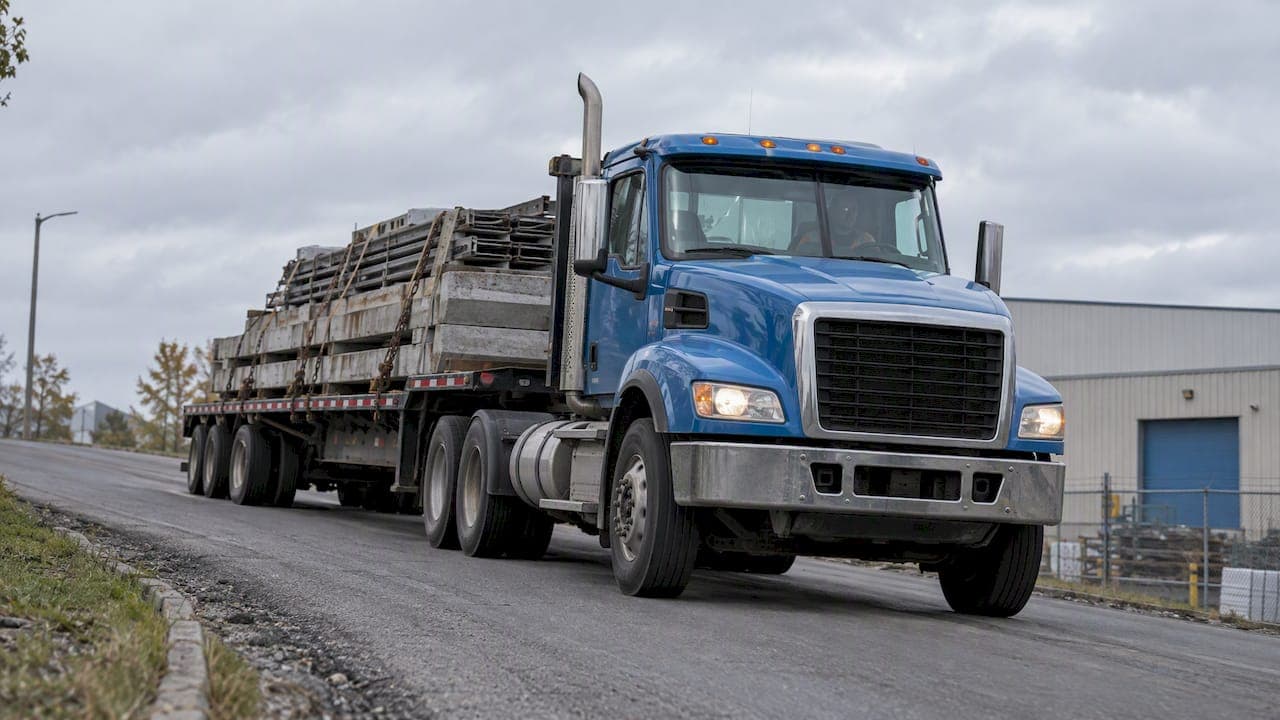
Run a new or rebuilt diesel under varied, moderate-to-heavy load, avoid long idling, and plan your first oil and filter change at about 100 hours unless the manual says otherwise. In mileage terms, that is roughly 500 to 1,000 miles, depending on the application. Rebuilt engines almost always need this deliberate on-site break-in. Start with two checks: oil level and coolant temperature.
TL;DR:
- Deere recommends at least 15% to 30% load; if early operation is mostly idle or light duty, extend the engine’s initial operating period by as much as 100 hours.
- Change the oil and filter at 100 hours after loaded operation, but inspect the filter and change sooner if you find metal, fuel dilution, or coolant.
- A factory tested new engine may need no special break in, while rebuilt engines generally require one; follow the model specific manual over general rules.
- Stop the engine if oil pressure fluctuates or temperature rises above normal; persistent blue smoke, thick black smoke, or recurring knocks also need investigation.
Table of Contents
- How do you break in a diesel engine step by step?
- How long does a diesel engine break-in period last?
- What oil should you use during diesel engine break-in?
- What should you monitor during diesel engine break-in?
- When is a deliberate break-in essential, and when is factory testing enough?
- What are the most common diesel break-in myths?
- What should you do if something goes wrong during break-in?
- What maintenance comes right after break-in?
- Why trust this break-in guidance?
- Why disciplined break-in pays off
- Tested engines and parts when you need a replacement
- FAQ
- Sources
How do you break in a diesel engine step by step?
A diesel engine break-in is not complicated, but it rewards discipline. The goal is to let the piston rings seat against the cylinder walls, let bearing surfaces mate, and bring every component through full operating temperature and pressure under real load. Deere's marine diesel manual calls a proper break-in critical and expected to take about 100 hours when performed correctly, with speeds and loads raised in controlled intervals. Here is the sequence we recommend for a diesel engine break-in procedure at the shop or in the field.
- Do a pre-start inspection. Confirm oil and coolant levels, check hoses and clamps, look for fuel and oil weeps at fittings, and make sure the correct fuel is in the tank. Use the fuel type and grade your engine manual specifies, because fuel quality matters most when the engine has no margin for error.
- Do the initial start-up and let oil pressure build. Start the engine and confirm oil pressure registers promptly. If it does not, shut down immediately and find out why. Never rev a cold engine to chase pressure.
- Warm up gently. Let the engine reach normal operating temperature at a modest, steady speed before you apply any significant load. A fast, hard warm-up on a fresh engine is how scuffing starts.
- Apply load in steps. Once warm, put the engine to work. Raise load and RPM in controlled intervals, then ease back, then raise them again. The point is variation: moderate load, a short higher-load pull, a recovery period, repeat.
- Avoid continuous idling. Idle time heats the engine without loading the rings. If you must idle between tasks, keep it short.
- Avoid sustained maximum load early on. For some models, the manual asks you to avoid prolonged idling or sustained maximum load operation during the first 20 hours. Short higher-load intervals are fine. Long redline pulls are not.
- Check fluids and leaks on schedule. Check oil level, check coolant level, and walk around the engine for leaks daily or every 10 hours, whichever comes first.
- Change the oil and filter at the break-in interval. The common baseline is 100 hours, with the range and exceptions covered in the next two sections.
What varied load looks like in practice
The right way to vary load depends on what the engine powers:
- Over-the-road truck: Run loaded or with a trailer on mixed terrain. Climb grades in a gear that holds RPM in the mid-range, then coast and recover. Avoid hours of steady cruise at one RPM and one throttle position.
- Farm tractor or equipment: Put it to work with a moderate implement load, such as tillage or hauling, instead of letting it idle in the yard. Alternate between heavy passes and lighter travel.
- Marine: Cycle between cruise speed and short bursts at higher speed, rather than holding one throttle setting for hours.
- Generator sets: Apply a real electrical load in stages. A generator running with no load is one of the most common ways to leave rings unseated.
Deere's tractor guidance says that extra care during the first 100 hours pays off in more satisfactory long-term performance, and that you should run heavy loads with minimal idling.
Pro Tip: Keep a simple logbook in the cab or at the generator: date, hours, load type, oil level, coolant level and any oddity you noticed. It takes little effort and becomes your best diagnostic record if something goes wrong later.
Ambient conditions and terrain
Cold weather lengthens the warm-up phase, so give the engine more time before loading it. Hot weather and steep terrain raise coolant temperatures faster, so watch the gauge more closely and ease off if it climbs. Dusty sites call for extra attention to air filter condition, since debris in a new engine is expensive. Whatever the conditions, the principle is the same: varied, honest load, without abuse.
Turbocharged versus naturally aspirated engines
Most modern heavy-duty diesels are turbocharged, and the turbo adds one habit worth building: let the engine settle at a lower speed for a short period before shutdown so the turbo bearings are not cooked on a fresh engine. Naturally aspirated engines are more forgiving on shutdown, but the load and idle rules are identical. For either type, the manual's break-in section overrides this general guidance.
How long does a diesel engine break-in period last?
Deere's marine diesel guidance gives a break-in period of about 100 operating hours. Deere states that a proper procedure is expected to take approximately 100 hours and that the break-in should be extended, with oil changes possible between 100 and 500 hours, when initial use is light-loaded.

That last point is where many owners go wrong. The hour count is a minimum, not a guarantee. An engine that logs 100 hours mostly at idle has not been broken in; it has just been run. The rings need combustion pressure behind them to seat, and idle does not provide it.
Hours versus miles
For on-highway trucks, you will often see mileage guidance, such as 500 to 1,000 miles. That works when the truck is hauling real loads over real distance. For stationary equipment, marine engines, generators and low-mileage vocational trucks, hours are the better measure, because miles tell you nothing about how hard the engine worked. If your engine has an hour meter, use it.
Load targets you can apply
Deere's guidance for break-in is to run under varied conditions with substantial load. According to one of its manuals, operators should aim for at least 15% to 30% load or higher to reach operating temperatures and pressures. Use these rules of thumb:
- Keep load at or above the manual's minimum, and above the 15% to 30% floor wherever possible.
- Mix in short higher-load intervals rather than holding one steady setting.
- Treat idle and no-load time as time that does not count toward break-in.
- Do not stretch the hour interval to compensate for light use. Attempting to break in at significantly higher hour intervals than the manufacturer specifies is often ineffective.
Does your operation need a longer break-in?
Extend the window when any of the following apply:
- The engine spent a meaningful share of its first hours idling.
- The application is light-loaded, such as a standby generator or a lightly used pickup.
- Oil consumption or blow-by looks higher than expected after the first 100 hours.
- The manual lists a longer interval for your model.
Deere notes that if the engine has significant time at idle or light loads, a longer break-in may be needed, sometimes by an additional 100 hours. When in doubt, extend, and keep your logbook current.
Deere's baseline: about 100 hours of correctly performed break-in, with oil and filter changed after 100 hours. Treat that as the minimum you plan around, and extend it when your early hours were light.
What oil should you use during diesel engine break-in?
Oil is where manuals are most specific, so follow yours. Many manufacturers supply or specify a break-in oil because its formulation is meant to support ring and bearing seating without masking the early wear that helps surfaces mate. If your engine shipped with factory break-in oil, run it for the interval the manual gives.
Make-up oil and oil level
During break-in the engine may consume a little more oil than it will later, so you will check the level often. If you need to top off:
- Use the OEM-recommended grade. Deere's guidance says that if make-up oil is required, use the grade the manufacturer recommends.
- If the OEM break-in oil is not available, use the manual's listed alternatives for your model and operating temperature range, not whatever is on the shelf.
- Never add oil above the ADD mark on the dipstick in a way that pushes the level past FULL. Overfilling aerates the oil and can raise crankcase pressure.
- Check the level more often than you would on a seasoned engine. The same Deere manual advises checking oil and coolant levels daily or every 10 hours during break-in.
When to change the oil and filter
The standard early change is at 100 hours. Deere says to change the oil and filter between a minimum of 100 hours and a maximum equal to the specified break-in interval. In practical terms:
- Change at 100 hours when the engine saw varied, substantial load throughout.
- Change earlier if you find metal glitter on the filter, fuel dilution, or coolant in the oil.
- Plan the change somewhere between 100 and 500 hours if the break-in had to be extended because of light loading, as Deere's marine guidance allows.
- Always replace the filter with the oil. A fresh engine sheds fine particles, and the filter is what catches them.
Cut the old filter open if you can. A few fine specks are normal on a new engine. Chunks or sheets of metal are not, and they are your cue to stop and investigate.
What should you monitor during diesel engine break-in?
Monitoring is cheap insurance. A fresh engine will tell you what it needs if you check often. Build these checks into your routine:
- Oil level: daily or every 10 hours, as the manuals say. Record it each time.
- Coolant level and condition: same cadence. Low coolant on a fresh engine is a red flag for a leak or a failed seal, not something to just top off and forget.
- Oil pressure gauge: it should be steady and within the manual's range at operating temperature. Fluctuation warrants a stop.
- Coolant temperature gauge: watch for creep above normal, especially under the higher-load intervals.
- Leaks: inspect around the oil pan, valve covers, turbo connections, fuel lines, hoses and the coolant pump after every shutdown.
- Smoke and sound: note exhaust color and any new knocks, ticks or whines.
Deere's instruction for some models is to check the oil pressure and coolant temperature gauges closely and check the coolant level daily or every 10 hours. A little white vapor at cold start is normal. Persistent blue smoke suggests oil burning, and thick black smoke under load suggests fueling or air supply trouble.
Coolant refill procedure
If coolant is low, do not top off a hot engine. Shut down, let the system cool until the cap is safe to touch, then add the coolant type and mix your manual specifies. Fill slowly to let air escape, run the engine, and recheck once it cools, since trapped air pockets can cause local overheating on a fresh engine. If the level keeps dropping, you have a leak to find.

Pro Tip: Photograph your dipstick and coolant sight glass at each check. After a few entries you can see a trend at a glance, and a trend is far more useful than a single reading.
When is a deliberate break-in essential, and when is factory testing enough?
Not every engine needs the same treatment, and the difference matters. Many modern factory-new engines are hot-tested and effectively broken in before they leave the facility, so they may be ready for full-duty operation. Rebuilt engines are another story: they almost always require a dedicated on-site break-in procedure.
The popular claim that all new diesels need an extensive break-in is a misconception, and so is the opposite claim that none do. Some modern engines, including specific PACCAR models, come from the factory requiring no specific break-in process, and the same source says to consult your engine's operation and maintenance manual first.
Use this checklist to decide:
- Factory-new, hot-tested: follow the O&M manual. If it lists no special break-in, avoid abuse anyway, and keep early fluid checks.
- Rebuilt in-frame or out-of-frame: treat it as needing a full deliberate break-in. New rings, bearings or liners need seating.
- Used or remanufactured from a supplier: ask for the inspection and test history, then confirm whether the engine was run on a dyno. If it has been tested and runs well, still keep the first hours varied and monitored. We cover this decision in more depth in our used diesel engine buying checklist.
- Unknown history: default to a cautious on-site break-in. The cost of caution is a few weeks of careful operation, while the cost of skipping it can be a premature rebuild.
Never deviate from OEM guidance because a forum post said so. If the manual and a rule of thumb disagree, the manual wins.
What are the most common diesel break-in myths?
A handful of beliefs do real damage. Here is each one with the better habit:
- "Diesels never need break-in." Some factory-tested engines need little, but rebuilt engines do. Check the manual, and treat any rebuild as needing a full procedure.
- "Idling it for the first hours is gentle and safe." Idle and light load leave rings unseated and can glaze cylinder walls. Run varied, substantial load with minimal idle instead.
- "Skip the early oil change; the oil is fine." Early oil carries the wear-in debris. Change oil and filter at the break-in interval, usually 100 hours.
- "A little extra oil is cheap insurance." Overfilling aerates oil and raises crankcase pressure. Keep the level between ADD and FULL.
- "Hold it at max load right away to seat the rings fast." Hard loading before the engine is warm or before the first hours are done invites scuffing. Warm up, then build load in steps and avoid sustained maximum load early.
- "Any fuel will do." Fuel quality affects injector and combustion behavior on a fresh engine. Use the fuel type and grade the manual calls for.
What should you do if something goes wrong during break-in?
Problems during break-in are easier to solve the moment you spot them. Work through these steps in order:
- Reduce load and bring the engine to a safe stop if a gauge reads abnormal or you hear a new knock. Do not keep running to see if it clears.
- Check oil level and condition. Low, foamy, milky or fuel-smelling oil each point somewhere different.
- Check coolant level and temperature behavior. Look for external leaks first, then for coolant in the oil or oil in the coolant.
- Inspect for leaks and loose connections around the turbo, fuel lines, hoses and gaskets.
- Note smoke and noise. Persistent heavy smoke or repeating knock is not a break-in quirk.
- Correct the simple causes such as low fluid, loose clamps or a clogged filter, then restart and monitor closely.
- Stop and get a professional inspection if the problem returns or pressure or temperature stays abnormal. If the engine is unrecoverable or past economical repair, our engine inspection checklist shows what data to collect before sourcing a replacement.
What maintenance comes right after break-in?
When the break-in window ends, switch from break-in mode to routine maintenance in an orderly way:
- Change the oil and filter at the end of the break-in interval, then follow the manufacturer's regular schedule. Deere's guidance is to change after the first 100 hours and then follow the regular interval, for example every 500 hours or 12 months.
- Record your break-in notes: total hours or miles, load profile, any anomalies and fluid levels. These support warranty claims and future troubleshooting.
- Review the used filter and oil sample for unusual metal or contamination.
- Consider extending inspection or shortening the next oil interval if your early hours were light-loaded or idle-heavy.
- Move to condition tracking. Our diesel engine lifespan indicators guide explains which wear signs to watch, and our piece on extending truck engine life covers long-term habits.
Why trust this break-in guidance?
This guidance covers diesel engines for owners, mechanics and fleet buyers. The procedure here follows manufacturer operation and maintenance manuals, and we point you back to them for model-specific limits, because your engine's own manual always outranks a general article.
On our side, we sell used heavy truck parts that are thoroughly tested and inspected, backed by a standard warranty. Our inventory changes daily and we ship the same day, which matters when downtime is costing you money. If you decide a replacement is the right move, start with your engine's O&M manual for specs, then contact us with your engine details so we can help confirm compatibility.
Why disciplined break-in pays off
I have seen the same pattern repeat: the engines that last are the ones whose owners treated the first hundred hours as part of the job rather than an afterthought. Read the manual, run honest load, watch the gauges and keep the logbook. None of it is glamorous, and all of it is cheaper than a teardown.
For a fleet, the math is even simpler. A disciplined break-in costs a little attention up front, while a neglected one shows up as downtime, warranty arguments and repeat repairs. Give the engine proper attention during its early operating period, and it may repay you with better long-term performance.
Tested engines and parts when you need a replacement
If a break-in goes wrong, or an engine is not worth rebuilding, we can get you moving again. We sell tested, inspected, warrantied used engines and components, and we ship the same day to cut your downtime. These are representative options you can ask us about:
Browse our full range of truck engines, transmissions, differentials and exhausts, then contact us with your engine details so we can confirm compatibility and share inspection information.

FAQ
How long does a diesel engine take to break in?
Deere's marine diesel guidance gives about 100 operating hours as a baseline. Deere states that a correctly performed procedure is expected to take approximately 100 hours, and it can run longer if early use was light-loaded.
How many miles does it take to break in a new diesel engine?
For on-highway trucks, 500 to 1,000 miles of varied, loaded driving is a common guide. Hours are a better measure for generators, marine and low-mileage use, so follow your manual's hour interval when it gives one.
What is the worst thing for a diesel engine during break-in?
Extended idling or light-load running is among the worst habits, because the rings need real combustion pressure to seat. The opposite mistake, sustained maximum load before the engine is warm, is just as damaging. Warm up, then use varied moderate-to-heavy load.
How long can you leave break-in oil in an engine?
Leave it in until the break-in interval your manual specifies, which is commonly 100 hours. Deere's guidance allows the change between 100 hours and the specified break-in interval, and sooner if you find metal or contamination.